
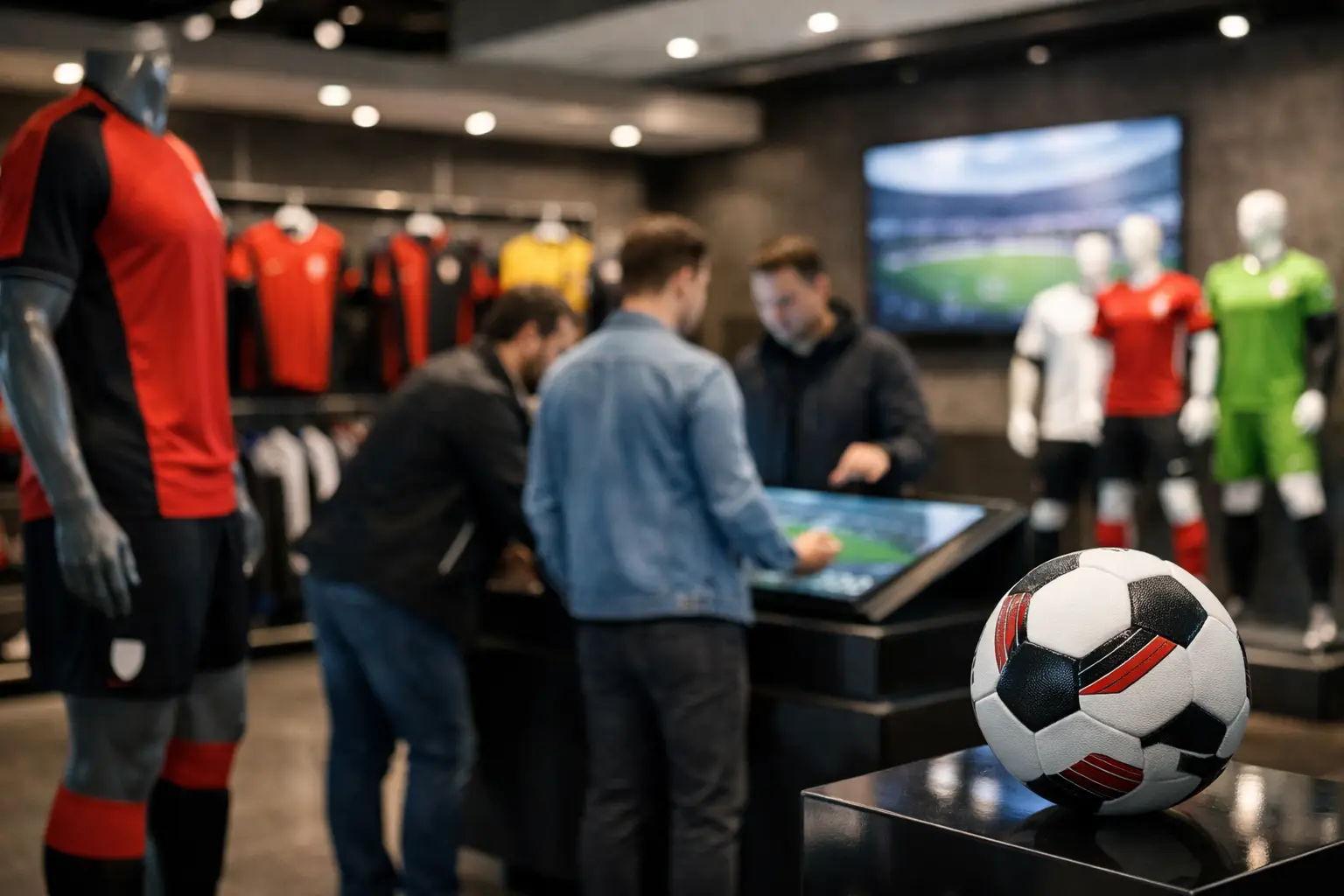
The Future of Football Club Shops
Saturday morning is when the gaps show. A player has lost a sock, the new signing still needs training wear, a parent wants a club hoodie, and someone remembers the coach asked for more bibs. That is exactly where the future of football club shops becomes clear. It is not just about selling more products. It is about giving clubs, schools and supporters one reliable place to sort football kit, equipment and merchandise without chasing suppliers all week.
For grassroots football, convenience is not a bonus. It is part of keeping teams running. Club volunteers already deal with fixtures, registrations, transport, safeguarding and matchday admin. If the shop side is slow, unclear or split across too many channels, it creates more work than it saves. The next generation of club shops will be judged on one thing above all – how well they reduce friction for the people who keep football moving.
What the future of football club shops really looks like
The old model was simple enough: a page with a badge on it and a few products listed underneath. That still has a place, but expectations have shifted. Parents want quick ordering on their phones. Players want the right sizes available when they need them. Clubs want less back-and-forth over stock, personalisation and repeat orders. Supporters want official club products without having to ask three different people where to buy them.
That means the future is less about having an online shop and more about having a working club supply system. The strongest club shops will combine match kit, training wear, off-pitch clothing, equipment and supporter items in one place. They will help clubs serve whole squads and one-off buyers at the same time.
There is a practical reason this matters. Football buying is rarely a single annual purchase. It happens in waves across the season. Pre-season brings full kit orders. Autumn and winter bring layers, rainwear and replacement items. Cup runs, school competitions and player turnover create extra demand. A club shop that supports that pattern properly becomes part of the club’s day-to-day operation, not just an add-on.
From one-off orders to year-round club support
A lot of clubs used to treat retail as a bulk order exercise. Get the kits sorted, maybe add some training tops, then revisit it months later. That approach can still work for some teams, especially smaller sides with stable squads, but it does not suit many modern grassroots clubs.
Clubs now often run multiple age groups, girls’ teams, development squads, schools links and coach pathways. Needs change quickly. New players join. Sizes change. Goalkeepers need specialist kit. Staff need branded outerwear. Parents want simple top-up ordering without waiting for the next team collection.
The future of football club shops is built around steady access rather than one-off windows. That gives clubs more control and gives families less hassle. It also helps protect consistency. When products are centralised in one official place, clubs are less likely to end up with mixed colours, outdated logos or random replacements that do not match the rest of the squad.
There is a balance to strike, though. A year-round shop only works if the product range is structured properly. Too little choice frustrates buyers. Too much choice creates confusion and weakens the club identity. The best club shops will keep the core offer clear: essential teamwear, practical training items, supporter favourites and sensible seasonal additions.
Better club shops will be built around real buying habits
Most grassroots customers are not browsing for fun. They are trying to solve a need quickly. A parent may need replacement shorts by next weekend. A coach may need a full set of balls and cones. A school may need embroidered staff kit and PE wear that can be reordered term after term. Good club shops will reflect that urgency.
That means cleaner navigation, better sizing guidance and clearer product grouping by use. Instead of making people search through broad sportswear categories, smarter shops will guide them by club, team type and product need. Training kit should sit where buyers expect it. Matchday products should be easy to find. Personalisation options should be visible early, not hidden late in checkout.
Mobile experience matters here as well. A lot of football buying happens on the go – between work and training, from the car park, or during a quick break in the day. If a club shop is slow on mobile or hard to use, orders get delayed. In practical terms, the future belongs to shops that help customers buy in a few clear steps, without making them start again every time they need one missing item.
Personalisation will become more useful, not more complicated
Customisation is already a big part of football retail, but it often brings delays and confusion if it is handled poorly. Squad numbers, initials, staff roles and sponsor details all need accuracy. Grassroots clubs do not need flashy systems for the sake of it. They need a setup that makes personalisation clear and manageable.
That is where specialist football retail has an advantage. A club shop built around football understands the difference between a coach order and a parent top-up order. It recognises that goalkeeper kit, referee items and team accessories sit alongside shirts and tracksuits. It can support the practical side of ordering, not just the visual side.
In the years ahead, better personalisation will mean fewer mistakes, clearer approval processes and easier reordering. Clubs should be able to keep branding consistent across teams. Buyers should know exactly what can be customised and what lead times apply. The goal is not endless choice. It is getting the right item, in the right format, to the right person without extra admin.
Club identity will matter more than ever
A football club shop is not only a sales channel. It is one of the clearest public expressions of a club’s identity. For grassroots sides, that can be especially valuable. When players, coaches, volunteers and supporters all buy from the same official source, it strengthens the club’s look and feel across matchdays, training nights and community events.
This is where merchandise has a genuine role, but it needs to stay grounded. At grassroots level, buyers tend to value products they can actually use. Hoodies, rain jackets, training tops, hats and practical supporter wear are often stronger options than novelty items. The future is likely to favour useful club-branded products that fit everyday football life.
That does not mean every club needs a huge merchandise range. For some, a tight selection of reliable staples will perform better than a large catalogue. It depends on the size of the club, the age groups involved and how strong supporter demand is. The important part is giving the club an official place to represent itself properly.
The strongest shops will support both the club and the customer
One of the biggest shifts ahead is the move away from fragmented buying. Too many clubs still juggle separate routes for teamwear, equipment, presentation items and supporter products. That wastes time and makes repeat ordering harder than it should be.
A stronger model is one where clubs and individual buyers both get what they need from the same destination. The club can source teamwear, training products and seasonal top-ups. Parents and supporters can order approved items directly. That reduces admin for volunteers and gives customers more confidence that they are buying the right products.
For businesses like Football Stuff, this matters because specialist retail is not only about carrying stock. It is about understanding how football is actually run. Clubs do not just need products. They need a partner that helps them manage continuity across the season, across squads and across different types of buyer.
What clubs should expect next
Over the next few years, clubs should expect football club shops to become more focused, not more bloated. Better platforms will offer clearer ranges, easier repeat ordering and stronger support for named club identities. They will be built around practical football needs, from replacing a single item to supplying a whole squad.
Clubs should also expect smarter seasonal planning. Winter products, tournament wear, staff gear and presentation items will increasingly sit within the same organised shop structure. That creates a better buying journey for customers and a more sustainable retail setup for the club.
The trade-off is that not every club needs the same solution. A junior club with a small committee may want simplicity above all else. A larger community club with several teams may need broader product coverage and more advanced personalisation. The right shop is the one that matches the way the club operates, not the one with the longest product list.
The future of football club shops is practical, club-led and built for repeat use. If it saves time, keeps teams looking consistent and makes it easier for supporters to buy official gear, it is moving in the right direction. For grassroots football, that is what progress should look like – less chasing, less confusion and more time spent where it matters, on the pitch and around the club.
Share this post
Author





Leave a Reply