
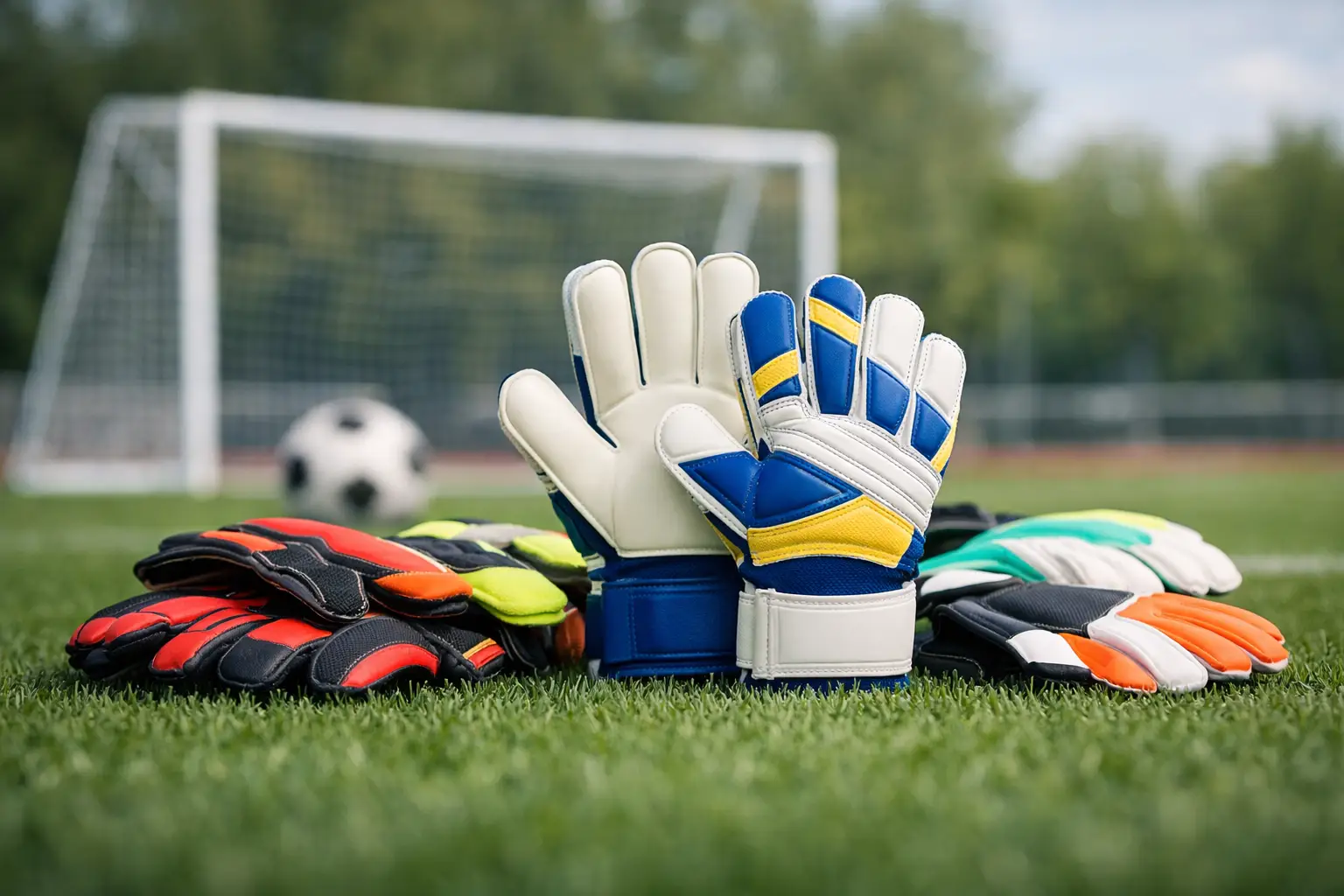
10 Best Junior Goalkeeper Gloves to Buy
A junior keeper who trusts their gloves will attack the ball more confidently, hold more clean catches and recover quicker after a mistake. That is why choosing the best junior goalkeeper gloves is not just about brand or colour. It is about fit, grip, protection and how often those gloves will actually be used in training and matches.
For parents, coaches and team managers, the challenge is usually the same. You want gloves that perform well without replacing them every few weeks. For young goalkeepers, comfort matters just as much. If the gloves feel stiff, bulky or loose on the fingers, confidence can disappear quickly. The right pair should help a young player train, play and perform without overcomplicating the choice.
What makes the best junior goalkeeper gloves?
The best gloves for a young keeper are rarely the most expensive pair on the shelf. Junior goalkeepers need a balance. Good grip is important, but so is durability. A very soft palm latex can feel excellent on matchday, yet wear down fast if it is used on rough grass, hard ground or regular school sessions.
That is where the trade-off usually sits. Softer palms give better grip, especially in wet conditions, while tougher palms tend to last longer but can feel less tacky. For a young keeper playing once a week and training lightly, a grippier glove can make sense. For a keeper training two or three times a week, especially on abrasive surfaces, a more durable option is often the smarter buy.
Fit is another major factor. Junior gloves should feel secure around the fingers and palm without restricting movement. If there is too much spare room at the fingertips, handling becomes awkward. If they are too tight, the glove can feel uncomfortable and split sooner. Wrist support also matters, especially for younger players who are still developing basic handling and catching technique.
How to choose the best junior goalkeeper gloves for age and level
A six-year-old starting out does not need the same glove as a teenage academy keeper. Age, playing level and frequency of use should guide the decision.
For younger children, comfort and simplicity matter most. A lightweight glove with easy fastening and decent cushioning is usually enough. At this stage, the glove should help them enjoy the position and feel safe diving on the ball, rather than replicate a top-end adult match glove.
For older juniors, especially those playing regular competitive football, details become more important. Palm quality, finger construction and wrist closure can all affect performance. A more serious young keeper may also start to prefer a specific cut, depending on whether they like a tighter or roomier feel.
Parents often buy with growth in mind, which is understandable, but sizing too far up tends to cause problems. Oversized gloves can move on impact and reduce control. A little room is fine. Too much room usually means poor handling.
Glove cuts explained without the jargon
Cut refers to how the glove is stitched around the fingers and palm. It changes how the glove fits and feels in the hand.
Flat palm gloves are a common choice for juniors because they offer a traditional fit and a bit more room inside the glove. They are often comfortable, practical and a solid all-round option for younger age groups.
Negative cut gloves fit closer to the fingers, which many older juniors prefer because they feel more precise and snug. They can suit confident young keepers who want a more natural contact with the ball.
Roll finger gloves wrap latex around the fingers, creating a fuller feel and often a larger contact area. Some young keepers like the extra cushioning, while others find them too bulky. It depends on preference and hand shape.
There is no universal best cut. The best junior goalkeeper gloves are the ones that feel secure, comfortable and natural when catching, parrying and throwing.
Palm grip and durability – where most buying decisions are made
If a glove looks smart but the palm wears out quickly, it will not feel like good value. At junior level, gloves often take a beating. They are used in muddy boxes, on dry summer pitches and sometimes on artificial surfaces that can be hard on latex.
A match-focused glove usually prioritises grip. This can help with handling, especially in damp British weather, but it may need more careful use. A training glove usually sacrifices a bit of tackiness in exchange for stronger durability. For many grassroots players, that is the better everyday option.
If budget allows, using one pair for matches and one for training is often the most cost-effective approach over a season. It sounds like spending more at first, but it can extend the life of both pairs. For clubs and schools ordering for multiple keepers, that split can also make stock planning easier.
Should junior keepers wear finger protection?
Finger protection can be helpful, but it is not automatically the right choice for every child. Gloves with finger spines are designed to reduce hyperextension and add support during saves. That added structure can reassure younger players and parents, especially if a child is new to goalkeeping or has had a finger knock before.
The downside is that some keepers find protective gloves less flexible. That can affect comfort and ball feel, particularly for players who rely on quick hand movement and like a softer glove. For a beginner or a younger junior, finger protection can be useful. For a more experienced keeper, it often comes down to preference.
A coach will usually tell you quickly whether a player benefits from the extra support or whether a standard glove gives them better handling.
Features worth looking for in the best junior goalkeeper gloves
Not every product description tells you what really matters in use. When comparing junior goalkeeper gloves, focus on the features that affect performance over weeks and months, not just on day one.
A secure wrist strap is important because it helps keep the glove stable when handling crosses and harder shots. Breathable backhand materials can improve comfort in training, especially during warmer months. Good padding can reduce sting on impact, which matters for confidence in younger age groups. A reliable palm and a fit that suits the keeper’s hand shape will usually matter more than flashy design details.
Easy entry is also worth considering. Some junior gloves are awkward to pull on, which can be frustrating before training or on matchday. Younger players benefit from gloves they can manage themselves with minimal fuss.
Buying for clubs, schools and team managers
If you are purchasing for more than one keeper, consistency becomes important. Club coaches and PE staff are not just buying for individual preference. They need dependable options that cover multiple age groups, arrive in sensible sizes and stand up to regular use.
That usually means choosing recognised football brands with a clear junior size range and practical features rather than chasing the most specialised model. For grassroots teams, a glove that offers strong value across training and match use is often the best fit. It keeps reordering simple and makes it easier to support young keepers through the season.
This is also where a specialist football retailer can make life easier. Football Stuff serves clubs, schools and grassroots teams that want straightforward access to football gear without piecing orders together from different places. That matters when you are replacing kit, topping up sizes or equipping a squad across several age groups.
Common mistakes to avoid
The biggest mistake is buying on looks alone. A bold design might appeal to a young player, but if the fit is wrong or the palm is too delicate for weekly training, those gloves will not stay in the bag for long.
Another common issue is using one premium match glove for everything. If a junior keeper trains regularly, that can wear down the palm very quickly. It is also easy to overlook care. Even good gloves lose performance faster if they are left muddy, dried on a radiator or shoved wet into a boot bag.
Sizing is the other area where buyers often get caught out. Too small and the glove becomes uncomfortable. Too big and the keeper loses control. If you are between sizes, think about the player’s age, hand shape and whether they prefer a closer or roomier fit.
Getting better value from junior goalkeeper gloves
Value is not just about the lowest price. A glove that lasts well, fits properly and supports a young keeper’s confidence is usually the better purchase. For some players, that means a tougher all-round glove. For others, especially those playing at a stronger level, a better-grip match glove is worth it.
It helps to be realistic about usage. A child training once a week on grass has different needs from a school and club keeper playing several times across different surfaces. The more often the gloves are used, the more durability matters.
Glove care makes a difference too. Washing off dirt after use, drying gloves naturally and storing them properly can all help preserve grip and extend lifespan. It is a simple habit, but over a season it can save money.
Final thought on choosing the right pair
The best junior goalkeeper gloves are the pair that suit the player in front of you – their age, level, confidence and how often they are in goal. Get the fit right, choose the palm with the right balance of grip and durability, and keep the buying decision practical. A young keeper does not need the flashiest glove. They need one that helps them step into the box ready to catch, dive and play with confidence.
Share this post
Author







Leave a Reply