
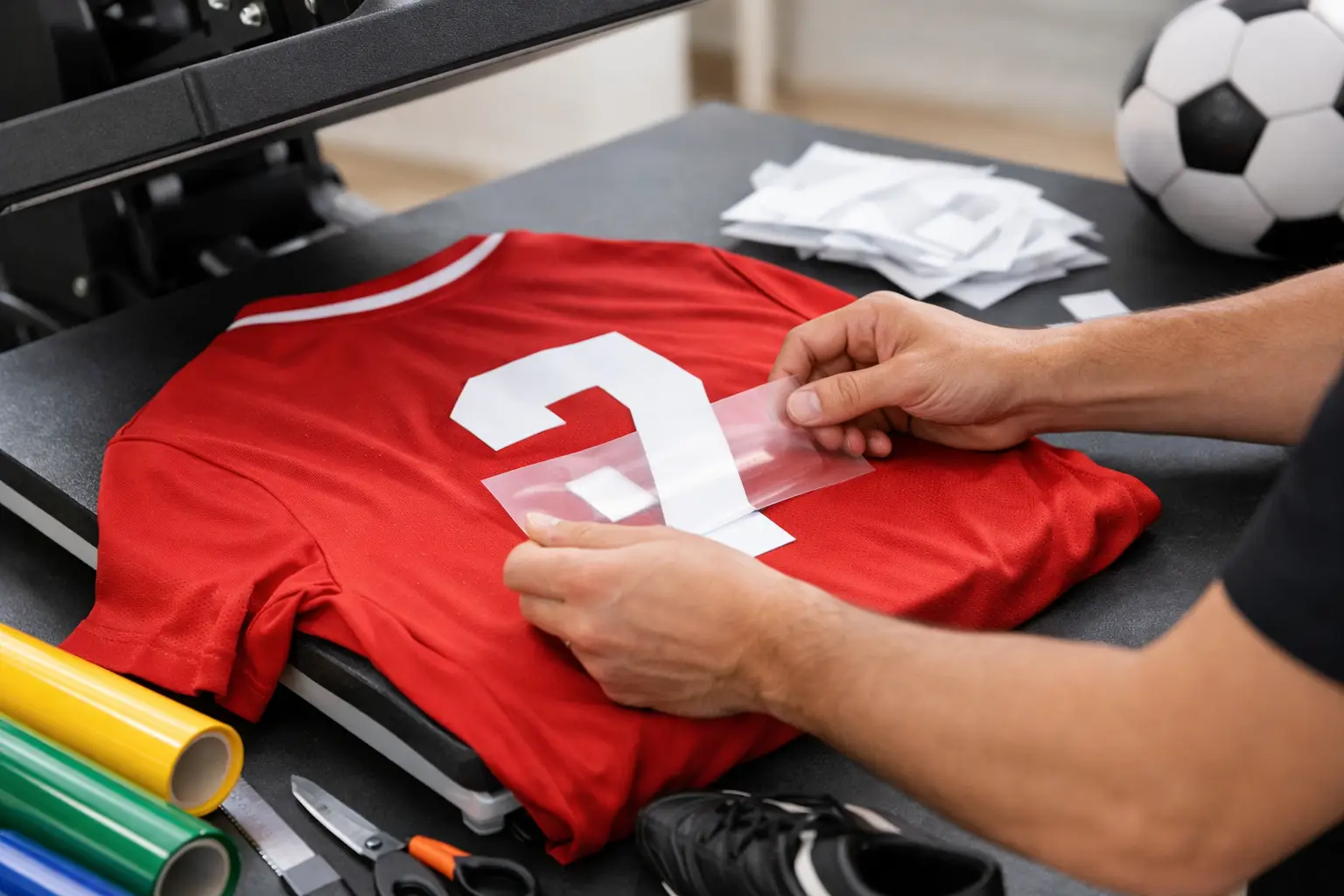
How to Customise Football Shirts Properly
A shirt can look spot on in the catalogue and still cause problems on matchday if the customisation is wrong. One squad has two number nines, a sponsor print peels after three washes, or a new player joins in October and their top no longer matches the rest. That is usually where people start asking how to customise football shirts properly – not just so they look good, but so they work for a team across a whole season.
For grassroots clubs, schools and community sides, shirt customisation is part of running football smoothly. It affects how smart your team looks, how easy players are to identify, and how simple it is to add replacements later on. If you are ordering for one team or several age groups, getting the basics right early saves time, money and avoidable admin.
How to customise football shirts without costly mistakes
The first decision is not the print colour or the font. It is working out what the shirt needs to do. A Saturday men’s side, a school football programme and a junior development squad will all want something slightly different. Some need full matchday customisation with squad numbers, sponsor and badge application. Others need a simpler setup that is easier to top up during the season.
Start with the essentials. In most cases that means club badge, player number and, if relevant, sponsor. Player names can be useful, especially for youth teams, academies and supporter wear, but they are not always necessary for grassroots match kits. If your budget is tight, prioritise what the team must have to play and look consistent.
This is also the stage to think about longevity. If there is a strong chance players will move between squads, shirt names may create extra cost later. Numbers are usually easier to manage. For teams that regularly bring in new players or rely on spare kit, a standardised numbering system can be more practical than full name printing.
Choose the right shirt before you print
Customisation only works as well as the shirt underneath it. Fabric, fit and brand all matter. Some shirts are designed for heavy weekly use and repeated washing, while others are better suited to occasional wear or supporter use. If the shirt material is very lightweight or heavily textured, that can affect how print sits on the surface.
For clubs ordering across multiple squads, consistency is often as important as style. Picking a shirt that is readily available in a broad size range makes life easier when you need extra stock later. It also helps if matching shorts, socks and training wear are available in the same range, so the wider club setup looks joined up rather than pieced together.
Think carefully about shirt colour as well. A bright print on a dark shirt may look sharp online but lose legibility under poor floodlights or in bad weather. Contrast matters. Numbers and sponsor details should be easy to read from the touchline and by match officials.
Match print colours to visibility, not just looks
This is one of the most common areas where teams get carried away. A tonal print can look smart in a product image, but if the number blends into the shirt from ten yards away, it is not doing its job. For grassroots football, visibility usually wins.
White on navy, black on yellow and red on white are straightforward examples of combinations that tend to read clearly. The exact choice depends on the shirt shade, badge colours and sponsor artwork, but clarity should lead the decision.
Check league and school requirements first
Before approving any artwork, make sure your competition or school has no rules on sponsor placement, numbering or badge use. Some leagues are strict, particularly if teams move into county competitions or cup fixtures. Sorting that out after the shirts are printed is expensive and frustrating.
Decide what customisation you actually need
The most common football shirt customisation options are badge application, sponsor print, player numbers, player names and sometimes staff or squad initials on training wear. Not every shirt needs every element.
A first team match shirt often needs the full setup. A backup shirt may only need numbers. Training tops usually suit initials rather than full names, especially when several players own similar items. Supporter shirts are different again. Those might include a club badge and sponsor, or a favourite player name and number, but they are bought for a different purpose.
This matters because every extra print position adds cost and can affect turnaround times. If you are ordering for a whole club, trimming unnecessary extras can make a real difference to budget. It can also keep reorders simpler when individual players need replacements.
Sizing and squad planning matter more than people think
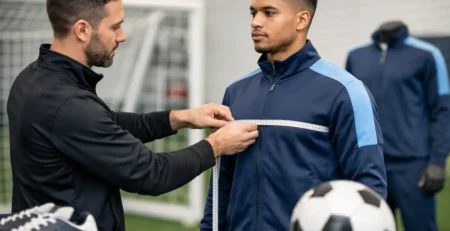
One of the easiest ways to waste money is to rush the size collection stage. Shirt customisation is usually applied to a specific item, so once it is printed, returning or swapping can become difficult or impossible. That is why a proper size plan matters.
For junior teams, do not guess based on age group alone. Players grow at different rates, and some will wear base layers under their shirts during colder months. If possible, check samples or compare against kit players already own. For adult teams, fit preference also comes into play. Some players want a closer cut, others prefer extra room.
Squad planning goes alongside sizing. Confirm spellings, initials and numbers before print is approved. It sounds obvious, but clubs regularly lose time correcting small errors that should have been caught at the order stage. A simple checked list from the manager or secretary helps avoid that.
Keep room for mid-season changes
Few grassroots squads stay exactly the same from August to May. New signings arrive, players leave, and junior squads often need extra shirts due to growth or wear. If you can, keep a record of the exact print style, colour and layout used on the original batch. That makes future top-ups easier and helps the team stay consistent.
This is one reason many clubs use a dedicated supplier rather than ordering bits from different places. The less guesswork there is around previous customisation, the easier it is to replace a missing shirt or add a late player.
Artwork, badges and sponsor setup
Sponsor and badge quality can make a shirt look either properly finished or rushed. If your club has a sponsor, use the best file available rather than a low-quality image pulled from social media or an old PDF. Poor artwork usually shows up once it is enlarged for printing.
The same goes for club identity. A badge needs to be consistent across shirts, training wear and supporter items. If the club has changed crest over time, make sure everyone is working from the same version. Mixed branding across teams looks untidy and can undermine the effort you have put into the rest of the kit.
Placement matters too. A large sponsor can dominate a junior shirt if it is not scaled properly, while a small chest logo may disappear on larger adult sizes. Good customisation is not just about adding graphics. It is about proportion, balance and making sure the shirt still looks like football kit rather than an overprinted template.
Washing, wear and durability
When people ask how to customise football shirts, they often focus on design first and durability second. For clubs, it should be the other way round. Match shirts are washed often, packed into muddy kit bags and worn through a full season. Print needs to stand up to that.
That means following proper care instructions and setting realistic expectations. No printed shirt will last well if it is washed too hot, tumble dried repeatedly or ironed directly over the print. If the kit is shared or handled by several households, it helps to give parents and players clear washing guidance from day one.
There is also a trade-off between budget and lifespan. A cheaper option may suit a one-off event or a limited-use team shirt, but if the same kit will be used every week, it is often better value to choose quality garments and reliable print from the start.
Ordering for one team versus a whole club
The process changes depending on scale. A single team can usually move quickly if one person controls the order and signs off the details. A club with multiple age groups needs more structure. Sizes, sponsor approvals, badge consistency and delivery timing all become harder to manage when several teams are involved.
That is where a clear ordering system helps. Keep one contact for approvals, one final squad list for each team and one agreed template for shirt layout. It reduces confusion and avoids situations where Under 12s and Under 13s end up with slightly different print styles by accident.
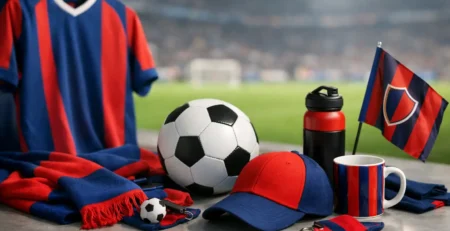
For clubs that order regularly, working with a football-focused supplier can make the whole setup more practical. Football Stuff is built around that kind of repeat demand, whether you need a full teamwear rollout, a few replacement shirts or added club merchandise during the season.
Good customisation should do more than make a shirt look smart on the first day it is worn. It should help your club stay organised, keep players looking consistent and make reordering straightforward when the season throws up the usual changes.
Share this post
Author





Leave a Reply