
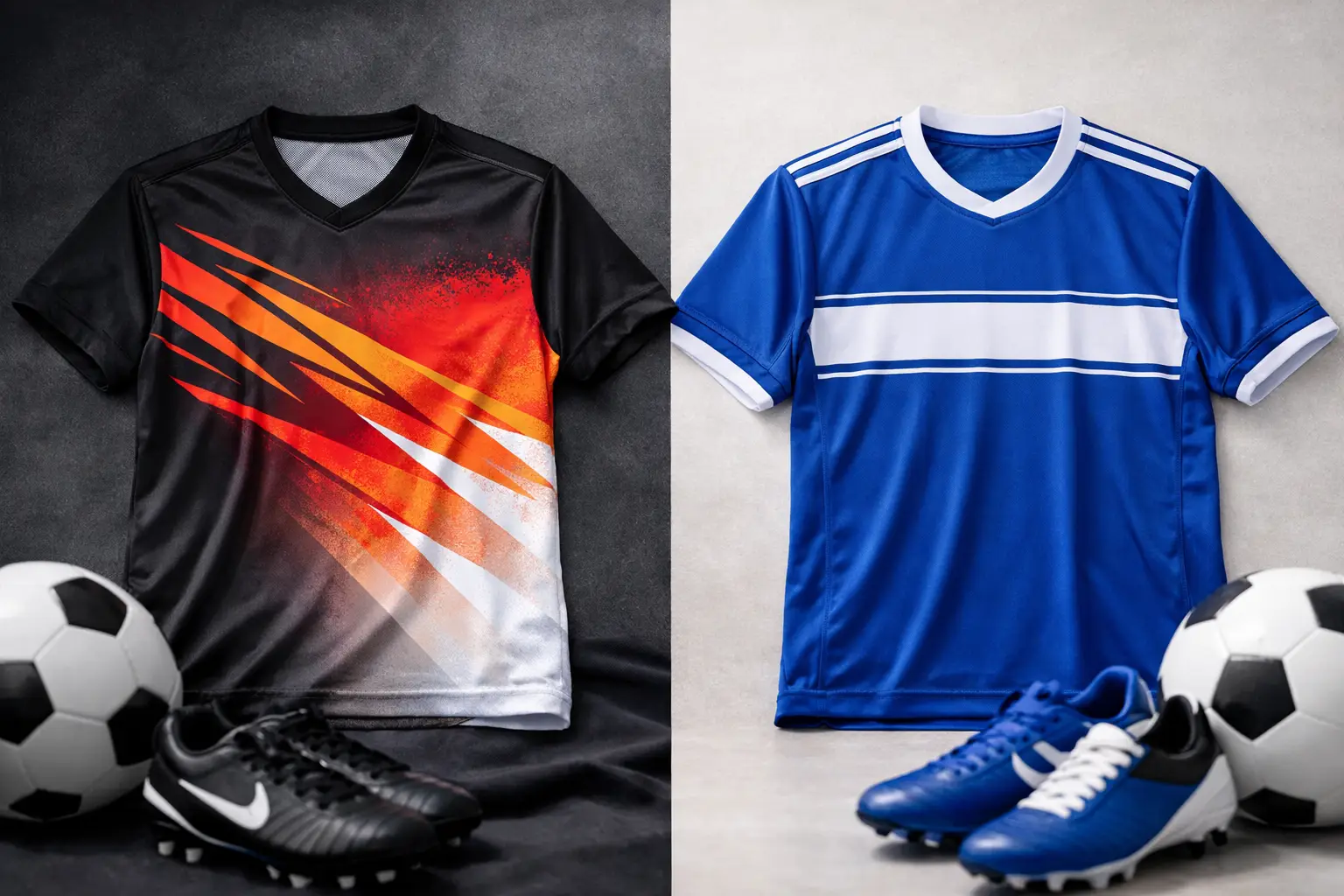
Bespoke Kits Versus Branded Teamwear
One squad needs a fresh identity for next season. Another just needs ten extra training tops by Thursday. That is usually where the choice between bespoke kits versus branded teamwear becomes real. For clubs, schools and community teams, this is not a style debate. It is a practical decision that affects budget, lead times, repeat orders and how easy it is to keep players looking consistent across the season.
Both options can work well. The right choice depends on how your team operates, how often you need top-ups and how much control you want over the final look. If you are ordering for one side, a full club setup or a school sports department, it helps to understand where each route gives you an advantage.
Bespoke kits versus branded teamwear – what is the difference?
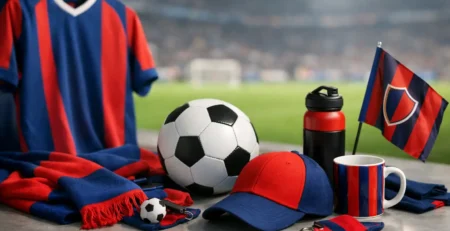
Bespoke kits are designed specifically for your team. That normally means you choose the colours, patterns, placement details and often the way logos, sponsors and numbers are built into the garment design. The end result is something that feels unique to your club rather than selected from a standard catalogue.
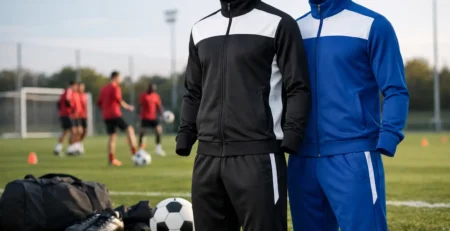
Branded teamwear comes from established sports manufacturers with set product ranges, colours and fits. You choose from existing shirts, shorts, socks, training wear and outerwear, then add club badges, sponsor logos or squad numbering through customisation. It is a more standardised route, but that is exactly why many clubs prefer it.
This is not simply a choice between custom and off-the-shelf. It is a choice between flexibility in design and flexibility in supply.
When bespoke kits make more sense
If your club wants a distinct identity, bespoke is hard to beat. It gives you more freedom to create a kit that reflects club colours properly, includes finer design details and avoids looking too similar to other teams in your league. For academies, schools or ambitious grassroots clubs trying to build a stronger image across multiple age groups, that matters.
Bespoke can also help when your requirements do not fit neatly into standard brand templates. You may want a very specific shade, a stripe pattern that matches club history or a sponsor layout that works better when integrated into the shirt design from the start. In those cases, bespoke gives you more control over the final result.
There is also a consistency benefit if you are launching a new look across several squads at once. A bespoke range can make your first team, juniors and coaching staff feel part of one setup rather than a mix of different collections.
The trade-off is usually lead time and planning. Bespoke orders often need more sign-off, clearer forecasting and a stronger idea of numbers before you buy. If your club leaves kit decisions late every summer, bespoke may add pressure rather than solve it.
Best fit for clubs building identity
Bespoke often suits clubs that are thinking beyond one season. If you are creating a stronger club presence, growing your supporter side or setting up a more joined-up look across matchday and training wear, the extra planning can be worth it. It feels intentional because it is.
When branded teamwear is the smarter option
Branded teamwear works well because it makes day-to-day club buying easier. You know the manufacturer, you know the product range and you can usually reorder matching items without redesigning the full package. For team managers and club secretaries, that matters just as much as how the kit looks on the first day of the season.
This route is especially useful when your club regularly needs top-ups. Players join mid-season, children grow, training tops go missing and weather changes what teams need from week to week. Branded teamwear ranges are built for that kind of practical reality. You can often add products over time rather than committing to one large, fixed order.
There is also trust in recognised sports brands. Coaches and parents often feel more confident with established names because they know what to expect from fit, fabric and durability. For schools and clubs buying across different age groups, that consistency can make ordering much simpler.
Best fit for repeat purchases and mixed needs
If your club needs match kits, rain jackets, baselayers, bench wear and individual replacements through the season, branded teamwear is often the easier system to manage. It supports the way grassroots football actually runs – not just the launch photo at the start of August.
Cost is not just about the first order
Price comparisons can be misleading if you only look at the upfront figure. Bespoke kits can offer strong value when you are ordering in volume and want a fully designed finish. But that value depends on planning well and ordering enough to make the setup worthwhile.
Branded teamwear may look simpler on paper, yet its long-term value often comes from convenience. If you can reorder one shirt, one pair of shorts or a few extra tracksuits without disrupting the rest of the squad, that can save time and reduce waste. For many grassroots teams, that is a genuine financial benefit.
It also depends on how your club collects money. If parents buy individually, or if players top up items themselves, branded ranges and club-shop ordering can reduce admin. If the club funds one central rollout, bespoke may be easier to coordinate as a single project.
Lead times can decide the whole project
For many teams, the best-looking option is not the best option if it arrives too late. That is why lead times need to be part of the decision from the start.
Bespoke generally requires more time. There may be artwork approval, production planning and minimum quantity considerations. That is manageable if you order early and know what you need. It is less ideal if fixtures are close, sponsors are still being confirmed or squad numbers keep changing.
Branded teamwear is often better for clubs that need quicker decisions and simpler replenishment. When your season is already busy with registrations, pitch bookings and volunteer workloads, reducing kit admin has real value.
This is where a practical supplier matters. Football Stuff supports clubs that need both full team orders and ongoing top-ups, which is useful if your kit buying is spread across the season rather than handled in one go.
Sizing, fit and player confidence
A kit has to perform properly, but it also has to make players feel ready to play. If sizing is inconsistent or replacements are difficult, confidence drops quickly, especially with junior teams and school football.
Branded teamwear has an advantage here because established ranges tend to offer predictable sizing across related products. That helps when different families are ordering at different times or when staff are managing several teams.
Bespoke can still work well on fit, but it usually requires more care during the ordering stage. If samples, size information and player numbers are not handled properly, mistakes become harder to fix later. That does not make bespoke a poor option. It simply means the process needs tighter organisation.
Club identity versus operational ease
This is the heart of bespoke kits versus branded teamwear. Do you want maximum control over appearance, or maximum ease when ordering, replacing and expanding? Most clubs are balancing both.
A Saturday side with one squad and a clear sponsor setup may get more from bespoke. A growing club with junior teams, coaches, supporters and regular reorders may benefit more from branded teamwear. Some organisations also split the decision – bespoke for the match kit, branded products for training wear, travel gear and staff clothing.
That blended approach is often the most practical. It gives the club a standout look on matchday while keeping the wider clothing range easy to manage.
What to ask before you choose
Before placing an order, it helps to answer a few straightforward questions. Are you likely to need extra items mid-season? Do you want a unique design that no other team will wear? Are parents or players ordering individually, or is the club handling everything? How fixed is your budget, and how soon do you need the kit?
Those questions usually point you in the right direction quickly. If your answers are about identity, launch impact and a clear club-wide plan, bespoke is probably the stronger fit. If your answers are about convenience, availability and keeping the season running smoothly, branded teamwear will often make more sense.
The best choice is the one that supports how your team actually trains, plays and buys. A smart kit decision is not only about how it looks on the first weekend. It is about how well it keeps working when the season gets busy.
Share this post
Author





Leave a Reply