

What a Club Shop Platform Should Deliver
Saturday morning is rarely the moment you want to discover the centre-half has lost his away shorts, the Under-10s still need training tops, and three parents are asking where to buy the club bobble hat. That is exactly where a good club shop platform earns its place. It gives clubs, schools and teams one clear place to buy kit, replace essentials and support the badge without chasing suppliers, messages and spreadsheets.
For grassroots football, convenience is not a luxury. It is part of keeping the season moving. When purchases are split across different shops, different contacts and different order forms, small delays quickly become bigger problems. A proper club shop platform helps bring kit, training wear, matchday equipment and supporter merchandise into one reliable buying route.
Why a club shop platform matters in grassroots football
Most grassroots clubs are not short on effort. They are short on time. Secretaries are handling registration, managers are sorting availability, coaches are planning sessions, and parents are trying to keep track of what their child needs next. If buying club products is awkward, it often falls to one or two volunteers to fix.
That creates the usual issues. Sizes get missed. Product choices vary between squads. Players turn up in different training wear. Replacements take too long. Supporters buy unofficial items because they cannot find the proper ones. None of that helps the club present itself well or run efficiently.
A club shop platform solves a practical problem first. It gives every buyer a clear route to the right products, under the right club identity, with less back-and-forth. Just as importantly, it supports repeat purchasing. Football is not a one-off buy. Players grow, kit gets damaged, match balls need replacing and winter training brings a fresh list of essentials.
What a club shop platform should include
The best systems are not just online catalogues with a badge added on top. They need to reflect how football clubs actually buy.
A strong starting point is club-specific access. If a team or school has its own dedicated shop area, buyers can quickly find approved items without trawling through pages that do not apply to them. That matters for parents buying a replacement quarter zip, for players topping up baselayers, and for supporters who just want official club merchandise without guesswork.
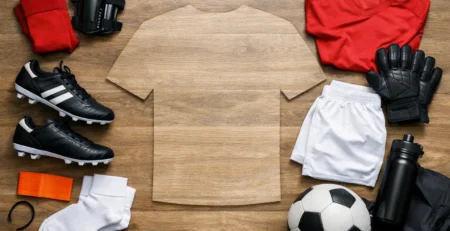
Product range matters as well. A useful platform should cover more than match shirts. Clubs often need training kits, rain jackets, benchwear, bags, socks, balls, bibs, accessories and presentation items across the season. If those items sit in one place, ordering becomes far easier and clubs avoid piecing together purchases from several retailers.
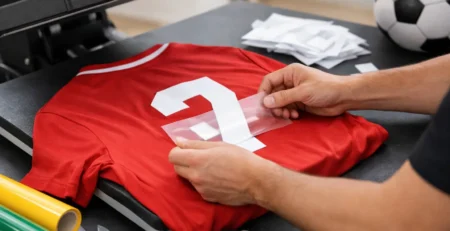
Customisation is another key part of the picture. Names, initials, squad numbers and sponsor details all need handling properly. Some clubs need simple printed tops. Others want a more complete setup across multiple teams. The platform should make those options clear, not turn them into a long email chain.
There is also a branding point here. A club shop platform should support the club’s identity, not dilute it. Consistent colours, approved garments and official merchandise all help clubs look organised and credible on matchdays, at training and across the wider community.
The real benefit is less admin
Clubs often think first about sales, but the bigger gain is usually reduced admin. When a parent can order the right hoodie directly, that is one less message for the manager. When a player can replace lost socks without going through a team rep, that is one less task on a volunteer’s list. When supporters know exactly where to buy official club wear, the club avoids constant questions.
That shift matters over a full season. One order is small. Fifty repeated queries across several squads is not. A club shop platform helps move routine purchasing away from informal coordination and into a clear system.
It also helps with continuity. Volunteers change. Team managers move on. New parents join the club every year. If purchasing depends on personal knowledge rather than a proper setup, the process starts again each season. A central platform gives the club a more stable way to operate.
One shop, different buyers
A grassroots club does not have one type of customer. It has several, and they all want slightly different things.
Players need core items that fit properly and can be replaced quickly. Parents want simple ordering and confidence that they are buying the correct gear. Coaches and managers need reliable access to teamwear and equipment. Club officials want a setup that reduces admin and keeps presentation consistent. Supporters want club-branded items that feel official and easy to buy.
That is why a broad but well-organised product offer works better than a narrow one. The platform should be able to serve squad needs and individual top-up purchases at the same time. If it only works for bulk ordering, it creates friction for everyday buying. If it only works for one-off fanwear, it does not support the club properly.
A specialist football retailer understands that balance better than a general merchandise supplier. Football clubs do not just need products with logos on them. They need practical gear that stands up to training, travel and matchday use.
Brand choice and product quality still matter
Price always matters in grassroots football, but lowest cost is not the whole decision. Clubs and schools need products that can cope with regular washing, muddy sessions and repeated use across the season. They also need consistency, especially when squads are buying over time rather than all at once.
That is where established teamwear brands make a difference. Recognised football labels offer better continuity in fit, quality and product categories. For clubs, that means fewer surprises when adding items later in the season. For players and parents, it means more confidence in what they are ordering.
A club shop platform should make that easier, not more confusing. The right setup gives buyers trusted options, clear sizing and sensible product groupings. It should feel practical from the first visit, not like a generic online store trying to cover every sport under the sun.
Where clubs can get caught out
Not every club shop setup works well in practice. Some look fine on launch day but become frustrating once the season gets busy.
A common issue is poor product structure. If buyers cannot quickly separate match kit from training wear or supporter items from player essentials, they lose confidence and abandon the order. Another problem is limited flexibility. Clubs often need a mix of branded teamwear, bespoke items and replacement purchases. A rigid setup makes ordinary buying harder than it should be.
Lead times need honest handling too. Custom products and decorated garments can take longer, and that is normal. The problem comes when expectations are unclear. A reliable supplier should set that out from the start so clubs can plan around fixtures, tournaments and presentation dates.
There is also the issue of range creep. Some shops load in too many irrelevant items, which makes the club area feel messy. More products are not always better. The better approach is a curated range that reflects what the club, school or academy is actually likely to buy.
Choosing a club shop platform for the long season
If you are assessing a club shop platform, the right question is not simply, can it sell products? The better question is, will it make the season easier to run?
Look at how quickly a new parent could find approved kit. Check whether a coach can top up training essentials without hassle. Think about whether supporters can buy official merchandise in a few clicks. Consider how the shop handles repeat purchases in November, January and March, not just the initial summer order.
It also helps to look at the football knowledge behind the platform. Clubs benefit from working with suppliers who understand squad ordering, grassroots budgets, sizing concerns, customisation and the reality of last-minute replacement needs. That experience shows in how the shop is built and how useful it is once the season is under way.
For many clubs, schools and community teams, this is where a specialist provider such as Football Stuff fits naturally. The value is not only in the products. It is in having a football-focused shop model that supports teamwear, equipment and merchandise in one place.
A good club shop platform does not need to be flashy. It needs to be clear, dependable and built around how clubs actually buy. When that is in place, teams spend less time sorting orders and more time getting on with training, playing and supporting the club properly.
If your current setup still relies on scattered messages, manual forms and last-minute chasing, that is usually the sign to make things simpler. The right platform gives your club a better way to buy all season, not just at the start.
Share this post
Author





Leave a Reply