
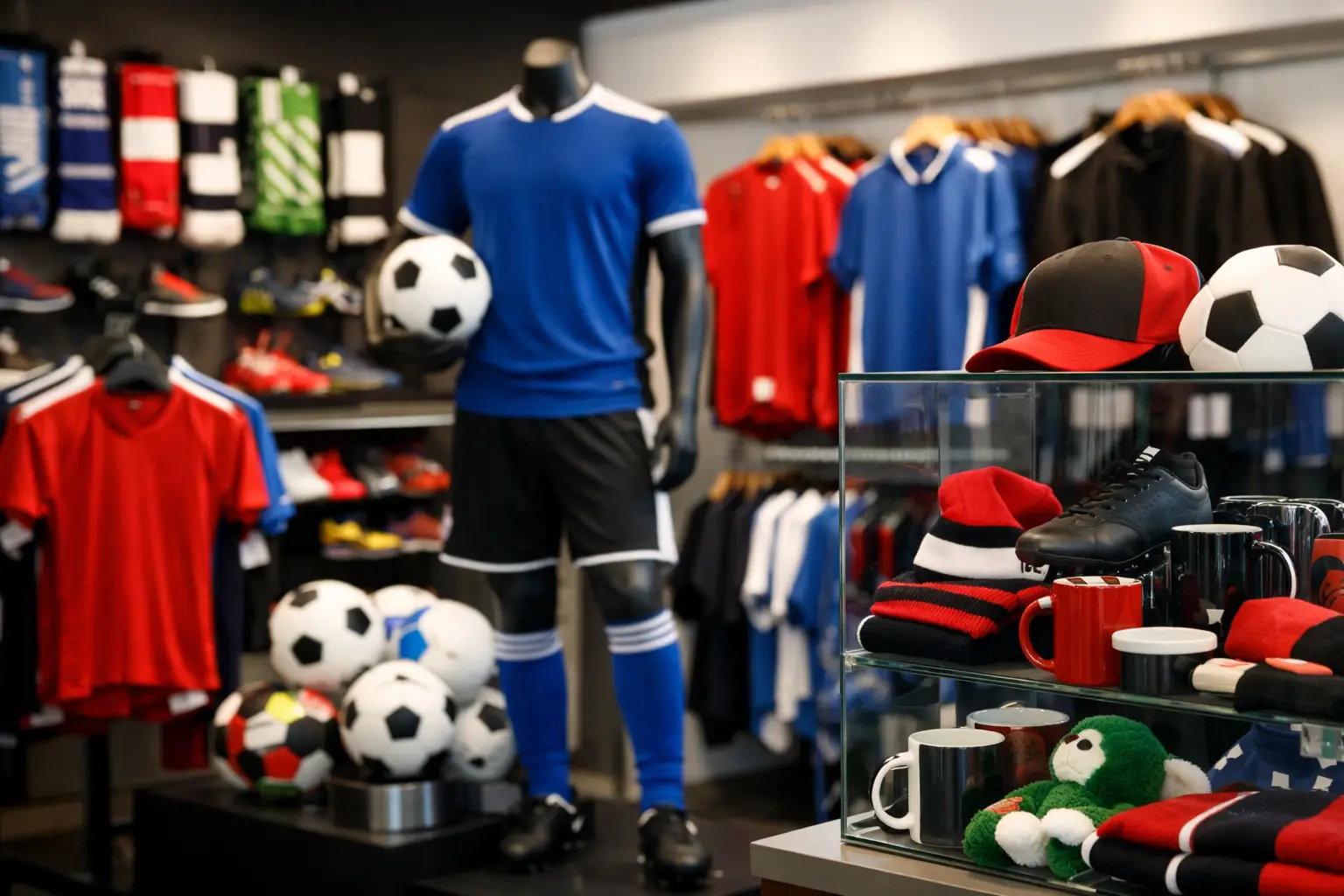
What Should a Football Club Shop Sell?
On a wet Thursday night, nobody wants to chase three different suppliers for a replacement sock, a rain jacket and a club bobble hat. That is usually the real answer behind the question what should a football club shop sell. It should cover the practical needs of players and staff, while giving supporters an easy way to back the club without the usual hassle.
For grassroots clubs, a shop is not just a place to sell extras. It is part of how the club stays organised, looks consistent and keeps money moving back into the team setup. The best club shops are built around everyday demand, not guesswork. If an item helps a squad train, play, travel or represent the badge, it probably belongs there.
What should a football club shop sell first?
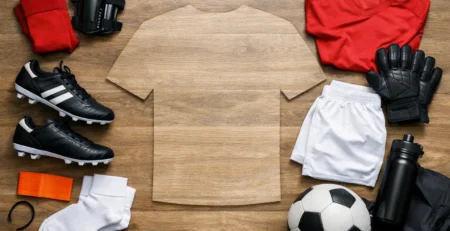
Start with the products people need during the season, not the products that only look good on launch day. The strongest base is official teamwear. That means match shirts, shorts and socks for home and away use, plus goalkeeper kits where relevant. Parents need to replace lost items, players need to top up sizes as they grow, and clubs need a simple route for repeat orders.
Training wear should sit right alongside match kit. Tracksuits, training tops, shorts, rain jackets, midlayers and baselayers all make sense because they get used week after week. A player may only need one match shirt, but they are far more likely to buy several training pieces over the course of a season. That matters if the shop needs to stay active beyond the first kit drop.
The key here is consistency. If the club wants squads to look sharp on matchday and at training, the shop should carry the approved items in the right colours and styles. Too much choice can create confusion. Too little choice can push buyers elsewhere.
Build the shop around three groups
A football club shop works best when it serves three clear audiences – players, club staff and supporters. Most problems start when a shop is built for only one of them.
Players need replacement and top-up items
Players and parents usually buy out of necessity. They need a new pair of socks before Sunday, a spare training tee, or an all-weather jacket for winter. That means the shop should make staple items easy to find and regularly available. If popular basics go out of stock, confidence drops quickly.
Size range matters just as much as product range. Junior football clubs need child and youth sizing covered properly, while adult clubs need a sensible spread through standard men’s and women’s fits where needed. A club shop that only works for one age group will create extra admin for everyone else.
Staff need practical team and matchday gear
Coaches, managers and volunteers are often overlooked, but they are part of the club’s public face. Polo shirts, coaches’ jackets, bench coats and training bottoms are useful additions. Referee wallets, captain’s armbands, pumps, ball bags and first-aid essentials can also have a place if the club wants the shop to support matchday operations as well as clothing.
Not every club needs to sell all of this publicly. In some cases, staff items are better handled as a restricted range or ordered to requirement. The point is that club shops should reduce admin, not add to it.
Supporters want simple ways to back the badge
Supporter products are where the club identity really shows. Scarves, hats, hoodies, leisurewear, mugs and accessories all have a role, especially for clubs with strong local followings or junior sections with engaged families. These items are less about performance and more about connection. Grandparents may never need a training top, but they will happily buy a club hat on a cold touchline.
That said, supporter stock should still be practical. Generic merchandise that sits in storage is no use to anyone. Focus on products people will actually wear or use around matchdays, school runs and everyday life.
The core product mix that makes sense
If you want a club shop to work across the whole season, the range should be broad enough to be useful but tight enough to stay manageable.
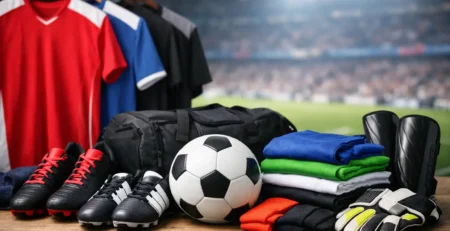
Match kit is the non-negotiable starting point. Training wear comes next because it drives regular repeat purchases. Outerwear follows closely behind, especially in Britain where rain jackets, padded coats and quarter-zips are not optional for much of the year. After that, leisurewear and supporter items make the offer feel complete.
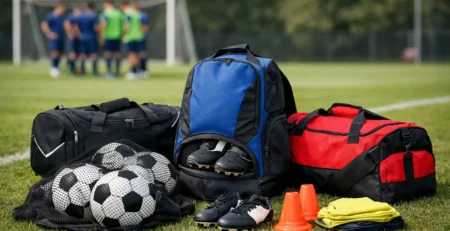
Equipment can also be a strong category if it matches how the club operates. Footballs, bibs, cones, shin pads, water bottles and kit bags are all relevant to grassroots teams. They help clubs, players and parents buy in one place instead of shopping around. For schools and academies, this one-stop approach is especially useful.
Personalisation adds another layer of value. Squad numbers, initials and club badges make products feel official and reduce confusion within teams. It also helps clubs keep a consistent look across age groups. The only trade-off is lead time. Custom items can take longer, so expectations need to be clear from the start.
What should a football club shop sell to drive repeat orders?
The answer is not just shirts. Repeat sales usually come from the products that get worn most, washed most and replaced most. Training tees, socks, rainwear and midlayers tend to move steadily because they are part of the routine. Club backpacks and holdalls can do well too, particularly at the start of the season.
Seasonal demand should shape the range. In summer, lighter training wear, water bottles and pre-season essentials are more relevant. In autumn and winter, demand shifts towards waterproofs, snoods, hats, gloves and bench jackets. A smart club shop follows the football calendar rather than treating every month the same.
There is also value in thinking beyond players. End-of-season trophies, pennants and presentation items can support tournaments, awards nights and club events. They may not be everyday sellers, but they fit naturally within the wider needs of organised football.
Avoid the common stock mistakes
The biggest mistake is stocking too many low-demand novelty items before the essentials are covered. A club can have branded keyrings and phone cases, but if parents cannot buy replacement socks or a training jumper, the shop has missed the point.
Another common issue is poor brand alignment. If the club uses a recognised teamwear manufacturer for its kits and training wear, the shop should stay consistent with that setup where possible. Mixing random products from different sources can make the range feel disjointed and can create sizing or colour mismatches.
There is also a difference between what looks good in theory and what sells in practice. A premium padded jacket might be excellent value for coaches and dedicated supporters, but if the club audience is mainly junior families watching budgets, more affordable hoodies and training layers may move faster. It depends on the club’s level, age profile and local support base.
A good club shop should make club life easier
The real test is simple. Does the shop save time for secretaries, coaches, parents and players? If it does, the range is probably right.
A good football club shop brings together official kit, training wear, equipment and supporter merchandise in one place. It gives clubs a reliable route for top-up orders, replacement items and club-branded products without endless messages, cash collections or one-off supplier requests. That is why specialist football ranges tend to outperform general merchandise approaches.
For many clubs, the most effective setup is a focused range built around approved teamwear, useful add-ons and a small but strong supporter offer. That keeps the shop easy to manage and easy to buy from. Football Stuff follows that model because it reflects how grassroots clubs actually operate through a long season.
If you are deciding what should sit in your own club shop, start with what people ask for every week. Build from training and matchday first, then add supporter products that genuinely earn their place. When the range works for the whole club, people come back without needing to be chased.
Share this post
Author




Leave a Reply