
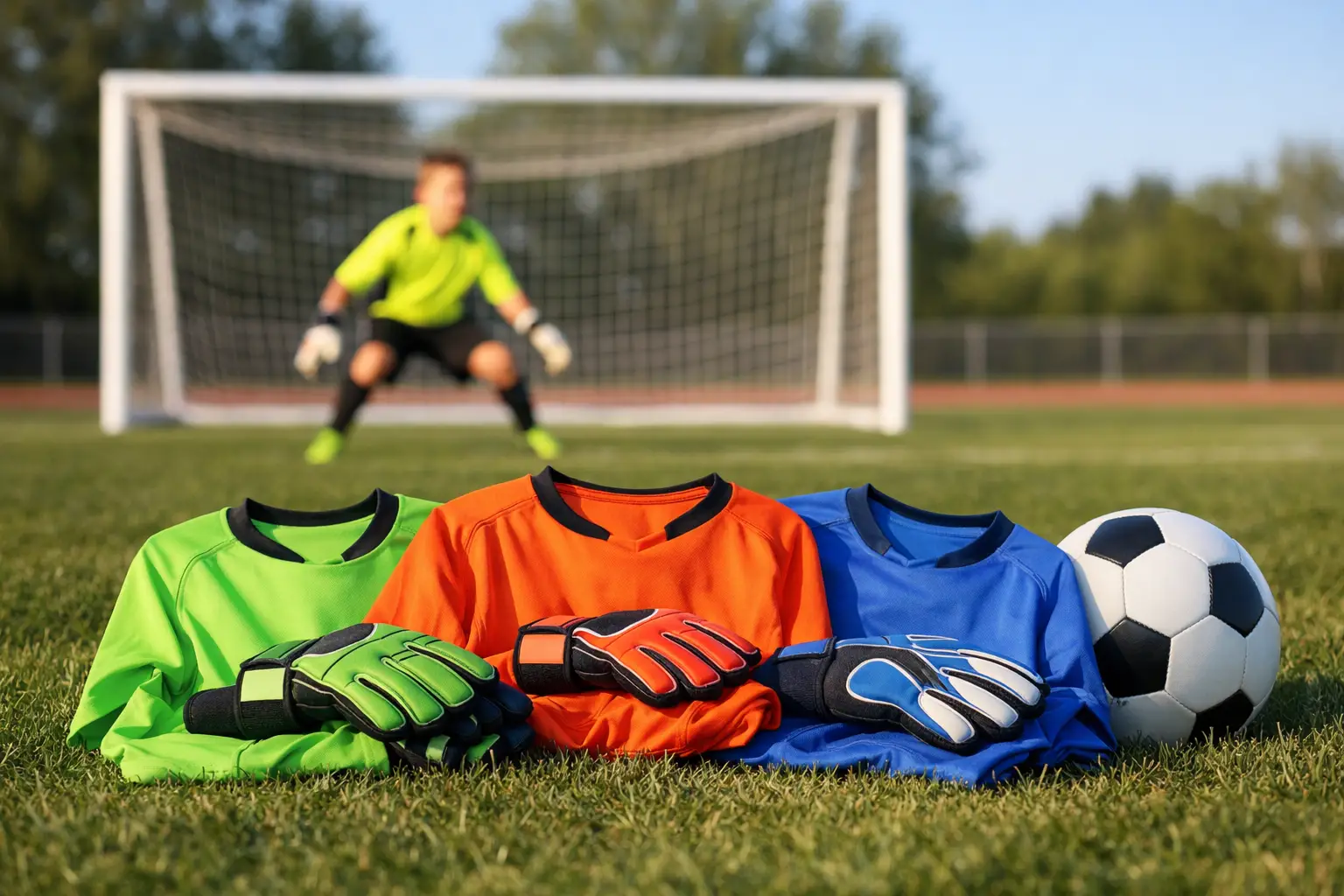
Goalkeeper Kits for Junior Teams That Last
A junior keeper hits the ground more than anyone else on the pitch, and their kit usually shows it first. That is why choosing the right goalkeeper kits for junior teams is not just about colour and size – it is about comfort, confidence, durability and making life easier for coaches, schools and club volunteers who already have enough to sort.
For grassroots football, a goalkeeper kit has to do several jobs at once. It needs to stand out from outfield players and officials, hold up through training and matches, wash well, and still be available when a replacement is needed later in the season. For junior teams in particular, the right choice can save hassle, reduce unnecessary spend and help young keepers feel ready to play.
What junior goalkeepers actually need from their kit
A lot of kit buying starts with appearance, but young goalkeepers notice the feel first. If the shirt is too stiff, the sleeves ride up, or the shorts feel awkward when diving, they stop trusting the kit. Once that happens, it becomes a distraction.
Fit matters more than many people expect. Junior players need enough room to move freely, but not so much excess fabric that it gets in the way. A goalkeeper is constantly stretching, crouching, jumping and landing, so a good junior fit should feel secure without being restrictive. That balance can vary by brand, which is why consistency across a club order is useful.
Fabric choice is also a practical issue. Junior keepers train in all sorts of British weather, often on mixed surfaces, so lightweight material that still feels hard-wearing is usually the best option. Breathable shirts help during early-season fixtures and indoor training, while stronger stitching and decent construction matter once pitches get heavy and sessions become more physical.
Then there is visibility. A goalkeeper kit should clearly contrast with the rest of the team and the opposition. That sounds basic, but it becomes more important when clubs run multiple age groups and share colours across squads. Choosing a keeper colour that works across several match scenarios can prevent late matchday changes and spare kit scrambles.
How to choose goalkeeper kits for junior teams
The best buying decisions usually come from thinking about the full season rather than one opening fixture. A goalkeeper shirt that looks sharp in August but is hard to replace by November can become a problem quickly.
Start with usage. Some junior teams need a dedicated match kit for one keeper and a backup set in case of clashes or lost items. Others may need two or three sizes available because players rotate in goal. Schools and academies often need something even more flexible, with kit that can be reused across year groups. In those cases, durability and repeat availability often matter more than having the latest design.
Brand consistency helps with reordering. If a club is already buying teamwear from established football brands, it makes sense to look at goalkeeper options from the same supply route where possible. That keeps ordering simpler and can make sizing, customisation and future top-ups more straightforward.
Budget also needs a realistic view. The cheapest option is not always the best value if it fades quickly, loses shape or needs replacing halfway through the season. On the other hand, not every junior side needs the most premium specification. For many grassroots teams, the sweet spot is a well-made branded kit that performs reliably and can be reordered without drama.
Fit, sizing and the junior team problem
Sizing junior football kit is rarely perfect, because children grow at different rates and not every player sits neatly in one size bracket. That is even more noticeable with goalkeepers, as one child might want a closer fit while another prefers extra room for movement.
For team managers and club secretaries, the safest approach is to think ahead. If the goalkeeper is between sizes, the decision depends on age, growth and how long the kit is expected to last. Going too large can affect comfort and performance straight away. Going too small may mean replacing it before the season is out. There is no universal answer, but planning around the player rather than just the label usually leads to fewer issues.
It is also worth keeping the full kit in mind. Shirt, shorts and socks need to work together, especially if players rotate positions or if a second keeper steps in during cup games and tournaments. A junior goalkeeper kit should feel like part of the team set-up, not a last-minute extra.
Why replacement options matter
Junior football is full of mid-season surprises. Players grow, shirts get damaged, and occasionally a kit bag disappears altogether. That is why replacement availability matters almost as much as the original order.
When clubs can top up individual items instead of starting again, they save time and money. It also keeps the squad looking consistent across the season. For busy volunteers, being able to source the original style, matching colours and the right size without chasing multiple suppliers is a genuine advantage.
Customisation and club identity
For many clubs and schools, customisation is part of making a kit feel official. Squad numbers, initials, sponsor marks and club badges help create that sense of identity, and for junior players that can make a real difference. Pulling on a proper goalkeeper top with the same club presentation as the rest of the team helps young players feel part of the group.
That said, customisation does need planning. If there is a good chance the kit will be handed down to another player, too much personalisation can limit reuse. A named shirt may be right for a settled first-choice keeper, while a more general team shirt may suit a school, development squad or younger age group where roles change more often.
There is also the question of lead times. Adding print or badges can improve presentation, but it may affect how quickly an order is turned around. If fixtures are close, practical decisions matter. Sometimes a simpler customised order that arrives on time is the better choice than a more complicated one that creates delays.
Goalkeeper kits for junior teams across training and matchday
The strongest set-up is usually not just one shirt for Sunday mornings. Goalkeeper kits for junior teams need to work across training, matchday and the inevitable muddy winter period where everything gets tested properly.
For clubs that train regularly, it often makes sense to separate match kit from training wear. That keeps the main kit looking smarter for fixtures and reduces wear from repeated diving drills and wet-weather sessions. If that is not possible, then choosing a tougher, dependable goalkeeper set becomes even more important.
Schools and academies may take a slightly different view. They often need gear that can be used by several pupils over time, so washability and durability move higher up the list. Community clubs may focus more on keeping costs under control while still giving their goalkeeper a proper, coordinated look. Both approaches are valid – it depends on how often the kit is used, who is using it and how easily replacements can be ordered.
Colour choice is more practical than people think
A bright goalkeeper shirt often looks the obvious choice, and in many cases it is. Strong contrast helps with visibility and avoids clashes. But practical clubs also think about what works alongside existing home and away colours.
If your outfield sides already use several shades across age groups, choosing one reliable goalkeeper colour for the wider club can reduce confusion. It also makes reordering easier. The best-looking option is not always the one that causes the fewest issues over a season.
Buying for clubs, schools and grassroots teams
The biggest headache in grassroots football is rarely the kit itself. It is coordinating everything around it. Coaches need players ready, parents need clear sizing information, and club officials need straightforward ordering that does not turn into three separate jobs.
That is why specialist football supply matters. Buying goalkeeper kit alongside teamwear, training kit and other essentials keeps things simple, especially when clubs need repeat orders or top-ups later in the year. Football Stuff works with the kind of clubs, schools and junior teams that need practical football kit solutions rather than guesswork, and that matters when seasons are busy and volunteers are stretched.
Reliable availability, recognised brands and clear product choices all help reduce admin. That may sound less exciting than talking about design details, but for most grassroots organisations it is exactly what keeps the season moving.
Getting the balance right
There is no single perfect goalkeeper kit for every junior side. A school may prioritise durability and shared use. A Saturday club may want a sharper matchday look with customisation. An academy may need a range of sizes and regular top-ups across the year. What matters is choosing a kit that matches how your team actually operates.
The right kit should let a young keeper move freely, feel confident and stand out clearly on the pitch. It should also make life easier for the adults sorting the order, managing the budget and replacing items when the season gets messy. If a goalkeeper kit does both, it is doing its job properly.
Choose with the full season in mind, not just the first match. Your keeper will feel the difference, and your club will too.
Share this post
Author






Leave a Reply