

How to Order Squad Kits Without the Hassle
If you have ever tried to sort kit for 16 players, two goalkeepers, a coach and three parents still asking for late additions, you already know that how to order squad kits is not just a shopping job. It is an admin job, a timing job and, if you get it wrong, a problem that follows your team into the first few fixtures.
For grassroots clubs, schools and community teams, the best kit orders are the ones planned properly before anyone starts picking colours. The shirt matters, of course, but so do stock availability, sizing, personalisation, delivery times and the simple question of who is actually responsible for collecting the money and approving the order. Get those parts right and the whole process becomes far easier.
How to order squad kits for a team
The quickest way to make a squad order harder than it needs to be is to start with products before you have the basics confirmed. Before you look at shirts, shorts and socks, settle the core details. That means the number of players, likely squad changes, your preferred brand, your budget per player and whether you need a full matchday kit only or training wear as well.
This is also the point to think about your season rather than just your next match. A lower upfront price can look attractive, but it may not help much if you struggle to top up sizes later or need matching staffwear and training kit a few weeks after the initial order. For schools and clubs running multiple age groups, consistency across squads can save a lot of time over the season.
Start with numbers, not guesswork
Most delays begin with incomplete information. If your squad is still changing, build in a little room for movement. It often makes sense to order for your confirmed players and allow for one or two extra shirts where budget permits, especially in common sizes. That can be more practical than scrambling for a single replacement later.
You should also decide early whether shirt numbers are fixed for the season. If players are still moving around, hold off on personalisation until the squad list is settled. Printed names and numbers are useful, but they reduce flexibility if changes happen after the order is placed.
Choose the right kit setup
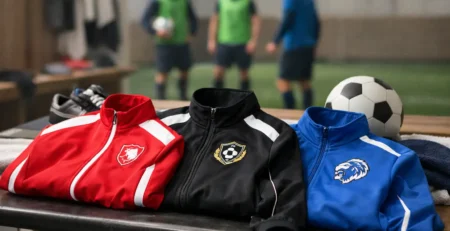
Not every team needs the same package. Some only need home kit. Others need home, away and training wear, plus tracksuits or rain jackets for staff and substitutes. If you are ordering for a school or academy, durability and repeat availability may matter more than having the newest look.
There is usually a trade-off between speed, cost and customisation. A standard branded teamwear range can be straightforward to reorder and easier to manage during the season. A bespoke design gives you more control over the final look, but lead times and minimums may differ. The right choice depends on how quickly you need the kit and how important a unique design is to your club.
What to check before placing a squad kit order
Once you have chosen your kit, the next step is making sure the order is actually workable. This sounds obvious, but it is where many clubs lose time.
Sizing should be checked with proper input from players and parents, not rough assumptions. Junior football especially can catch teams out because children move between sizes quickly. If you can collect sizes in a single sheet or form, do that rather than taking messages one by one. It cuts down on mistakes and gives you a cleaner record if someone later claims they asked for a different size.
Personalisation also needs clear rules. Decide whether the order includes shirt numbers only, initials on training wear, sponsor printing or club badges. Then make sure everyone knows exactly what is included and what is extra. Confusion here is common, especially when some items are club-funded and others are parent-paid.
Stock position matters too. If one shirt is available now but matching shorts are delayed, that affects the whole order. For teams on a deadline, it is better to confirm availability across the full kit package than to assume everything will arrive together. This is especially important before pre-season tournaments or the opening league fixtures.
Budget for the full order, not just the shirt
A squad kit order often costs more than people expect because the visible part is only the starting point. Printing, goalkeeper kit, spare socks, coach wear and top-up items all add to the final total. If your club is using sponsorship, be clear on what the sponsor covers and what the team still needs to fund.
It also helps to separate essential items from nice-to-have extras. Match kits are usually first priority. Training tops, bench coats and presentation wear can come later if the budget is tight. That approach keeps the team ready to play without stalling the whole process.
Making squad orders easier for clubs and schools
The real challenge is often not choosing kit. It is managing who orders what. For one team, a manager can usually handle it with a good spreadsheet and a firm deadline. For larger clubs and schools, centralising the process saves a lot of chasing.
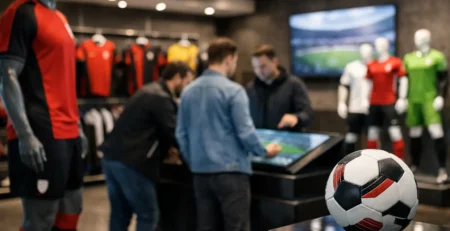
A club shop model works well here because it gives players, parents and supporters a clear place to buy approved items without multiple people placing separate orders through different suppliers. It also helps with repeat purchases. If a player loses a pair of socks in November or needs a larger training top in January, they can replace individual items without starting the process from scratch.
That is one reason specialist football retailers are useful for organised teams. Instead of splitting your spend across one supplier for kit, another for training gear and another for trophies or accessories, you can keep everything under one roof. For clubs trying to stay on top of stock, budgets and consistency, that matters.
Set one deadline and one decision-maker
If too many people are approving changes, the order drifts. The cleanest setup is one named organiser collecting sizes, one agreed deadline for submissions and one final sign-off before the order goes through. Parents, players and staff can all have input, but one person should control the final list.
This also helps when late requests appear, which they usually do. If your process is clear from the start, it is easier to say whether additions can still be included or need to wait for a top-up order.
Common mistakes when ordering squad kits
The biggest mistake is leaving it too late. Printing and branded teamwear do not run on matchday panic. If your first fixture is close, your options may narrow quickly.
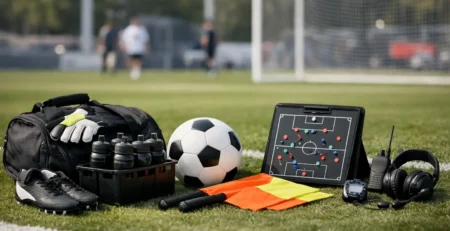
The second is poor sizing control. Guessing sizes for junior players almost always creates avoidable exchanges. The third is forgetting the non-playing essentials. Goalkeeper kits, captain’s armbands, training bibs and staffwear are easy to overlook until the week before kick-off.
Another common issue is ordering exactly what you need and nothing more. That can work for a settled adult side, but younger teams and school squads often change through the season. A small amount of forward planning can save repeated admin later.
There is also the branding side. Make sure badge placement, sponsor artwork, colours and numbering format are agreed before production starts. Small errors on approvals can become expensive once items are printed.
A practical way to get it right first time
If you want a simple approach to how to order squad kits, think in this order: confirm squad numbers, set your budget, choose the right range, collect sizes properly, agree personalisation, check availability and then place the order with enough time to spare. It is not complicated, but it does require structure.
For clubs ordering regularly, it is worth keeping a master record of player sizes, shirt numbers, staff items and previous purchases. That turns future orders into updates rather than full restarts. Over a season, that can save hours.
Football Stuff serves clubs, schools and grassroots teams that need that kind of practical support – not just a shirt in a basket, but a clear route to kitting out squads, replacing items and keeping teamwear consistent as the season moves on.
The best squad kit order is the one your players barely think about, because everything fits, arrives on time and is ready for matchday when it should be.
Share this post
Author






Leave a Reply