

How to Order Team Kits Online
You usually notice a poor kit order when it is too late – numbers missing on the back, one sleeve sponsor left off, three players in the wrong sizes and no spare goalkeeper shirt before Saturday. That is why knowing how to order team kits online matters for clubs, schools and community teams. Get the process right once, and the rest of the season becomes much easier to manage.
Ordering online should save time, not create more admin. The best approach is to treat kit buying as a team operation rather than a last-minute shopping task. That means thinking beyond shirts and shorts and looking at sizing, personalisation, lead times, top-up orders and how supporters or parents might buy separately without causing confusion.
How to order team kits online without mistakes
The first step is knowing exactly what you are ordering and who it is for. That sounds obvious, but plenty of teams start browsing before they have confirmed squad numbers, player sizes or whether they need home kit only or a full matchday and training setup. Before adding anything to basket, get your list in order.
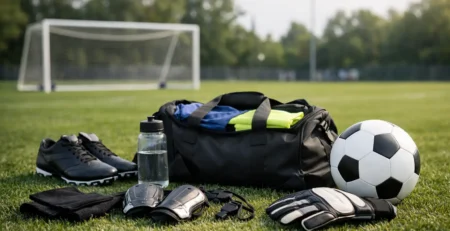
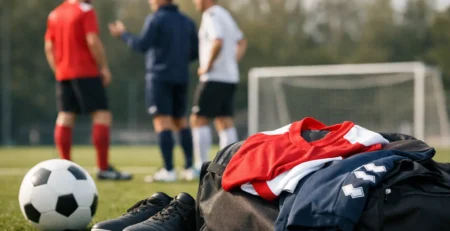
For most grassroots clubs, that list should include match shirts, shorts and socks, plus goalkeeper kit, coach wear or training tops if needed. Schools and academies may also need tracksuits, rain jackets and PE staff kit. If your team wants a smarter setup across the season, it often makes sense to order more than the starting eleven requires. A couple of spare outfield shirts and extra socks can save a lot of stress when players join late or kit goes missing.
It also helps to decide early whether you need branded stock kit from established teamwear ranges or a bespoke design. Stock ranges tend to be quicker to reorder and easier to match for future top-ups. Bespoke kits can give your club a stronger identity, but they often need more planning and may involve longer production times. Neither option is automatically better – it depends on whether speed, flexibility or a custom look matters most to your team.
Start with a clear squad breakdown
One of the main reasons online orders go wrong is that team managers try to build the order from memory. A simple spreadsheet or shared document is better. Include player name, squad number, shirt size, short size, sock size and any initials if you are adding personalisation. For junior teams, ask parents to confirm sizes rather than guessing from last year.
Sizing is where caution pays off. Different brands can fit differently, especially across junior and adult ranges. A medium in one range may not feel the same in another, and goalkeeper fits can vary again. If you are ordering for a full squad, it is worth checking size guides carefully and, where possible, comparing against kit your players already wear. The cheapest order is not the best value if half the team need replacements.
Confirm every piece of customisation
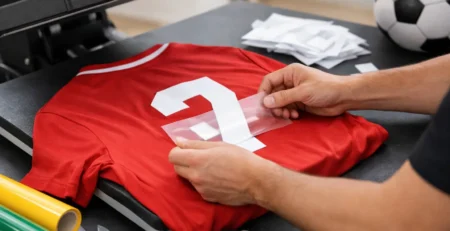
Badges, sponsor logos, squad numbers and initials need proper sign-off before you order. That applies even if the design seems unchanged from last season. Sponsors may have updated branding, clubs may have changed badge files and league rules may affect numbering or logo placement.
Be especially careful with spelling. Once names or initials are printed, errors are expensive and difficult to fix. If several people are involved in approving the order, nominate one person to give the final yes. That avoids crossed wires between coaches, parents and club officials.
Choosing the right supplier for online teamwear
If you are working out how to order team kits online for the first time, the supplier matters just as much as the product. A football specialist is usually better placed than a general sports retailer because they understand squad ordering, repeat purchases and the practical reality of replacing single items mid-season.
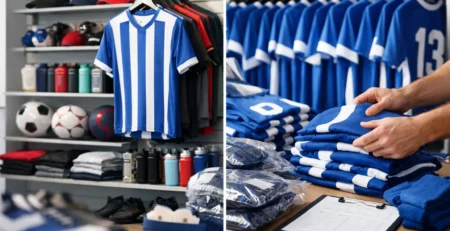
Look for a supplier that covers the full teamwear picture. Match kits are one part of the job, but many clubs also need training wear, balls, bibs, bags, base layers and presentation items. Buying from one specialist can reduce admin and make repeat orders simpler, particularly if the same club details and branding are already on file.
A club-shop setup can be especially useful. Instead of one volunteer handling every item manually, clubs can give players, parents and supporters a dedicated place to buy approved products. That keeps teamwear consistent and cuts down the usual messages asking which hoodie to order or whether a quarter-zip matches the rest of the squad. For many grassroots sides, that convenience is just as valuable as the kit itself.
Check lead times before you commit
Lead times are not all the same. Plain stock items can be available quickly, while customised products may take longer depending on print workload, stock levels and time of year. Pre-season and the start of the school term are busy periods, so early planning matters.
Do not assume that because an item is visible online it is ready for immediate dispatch. If you need kit for a tournament, presentation day or first fixture, work backwards from that date. Build in a buffer for artwork approval, size changes and any late additions. Waiting until the week before your opening match rarely ends well.
How to order team kits online for future top-ups
A good kit order should work beyond the first delivery. Players join after the season starts, children grow, socks disappear and goalkeeper kits take a hammering. That is why repeat ordering matters.
When choosing a range, think about whether it is likely to remain available throughout the season. Some styles stay in circulation longer than others. If continuity matters – and for most clubs it does – pick a range that can be topped up without rebuilding the look of the squad halfway through the year.
It also helps to keep a proper record of what was ordered. Save colour names, product codes, print positions and sponsor versions. That way, if you need two extra shirts in November, you are not starting from scratch trying to remember whether the navy was standard navy, royal navy or something close but not quite right.
For clubs managing several age groups, consistency across teams can make a real difference. Ordering from one place helps create a more joined-up identity, from first team through to junior sections. It also makes handovers easier when volunteer roles change, which happens often in grassroots football.
Think beyond the match kit
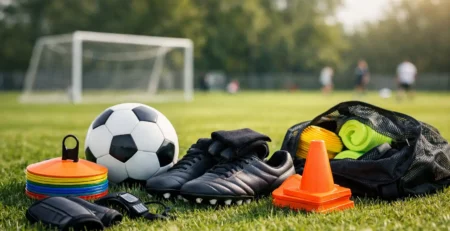
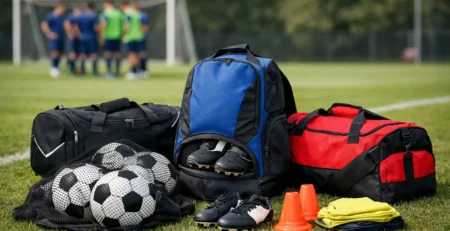
Many teams focus on shirts first and leave the rest until later. In practice, that often leads to piecemeal spending and mismatched kit bags. If budget allows, it is worth considering the full setup in one go. Training tops, rainwear, bench jackets and travel kit can all support a more professional look and save repeated ordering through the season.
That does not mean every club should buy everything at once. Budget always matters, especially for junior and community teams. But there is a difference between over-ordering and planning properly. If funds are tight, prioritise the essentials first, then choose a supplier that makes it easy to add approved extras later without changing brand, colour or print style.
Common problems when ordering online
Most issues come down to four things: poor size collection, unclear artwork approval, unrealistic timing and no plan for replacements. The online part is not usually the problem. It is the prep behind it.
Another common issue is mixing decision-makers. One coach picks the shirt, a parent orders add-ons, a club secretary sends a different badge and nobody checks the final version. Keep one central order contact wherever possible. That saves time and reduces the chance of duplicate or conflicting requests.
Price can also be misleading if you only compare the shirt cost. A lower headline price may not include printing, badge application or VAT in the way you expect. Look at the total order cost and what is actually included. Value comes from getting the full squad properly kitted out, delivered on time and easy to reorder, not just from shaving a few pounds off one item.
If you want a dependable route, specialist retailers such as Football Stuff are built around these practical needs – club shops, recognised football brands, customisation and repeat ordering all in one place. For busy volunteers and staff, that kind of setup can take a lot of pressure out of the process.
Make the order easier for everyone involved
The smoothest online kit orders are the ones that feel boring. No chasing sizes the night before. No panic over missing numbers. No confusion about which hoodie belongs to which squad. That comes from doing the admin up front, choosing the right range and ordering through a supplier that understands football teams rather than just selling sportswear.
If you are responsible for kit this season, give yourself more time than you think you need and keep the process simple. A well-planned order does more than get players dressed – it helps your club look organised, support your teams and stay ready for the next fixture.
Share this post
Author



Leave a Reply