

Academy Football Training Kit That Lasts
When a squad trains three or four times a week, academy football training kit stops being a nice extra and becomes part of the routine. Tops get washed constantly, shorts take a beating on hard surfaces, and layers need to work from August sessions through to cold midweek nights in January. If the kit is wrong, players feel it straight away. If it is right, training runs smoother, the group looks organised and replacements are far easier to manage.
What academy football training kit needs to do
Training wear for an academy setting has a different job from match kit. It does not need to carry the same visual impact on a Saturday morning, but it does need to cope with repeated use, changing weather and a wider mix of sessions. One night might be technical drills on a 3G pitch, the next might be conditioning in rain and wind, and a weekend session could mean travel gear as well as on-pitch wear.
That means a good academy football training kit needs to balance comfort, durability and consistency. Players need freedom of movement. Coaches need kit that is easy to issue across age groups. Parents want something that washes well and does not lose shape after a month. Clubs and schools usually want one clear look across the programme, with the option to top up items as players grow or extra squads are added.
There is also a practical side that often gets missed. Training kit is usually bought in stages, not all at once. A club might start with tops and shorts, then add rain jackets, quarter zips or tracksuit bottoms later in the season. Choosing a range that supports that kind of repeat ordering saves hassle.
Building an academy football training kit range that works
The strongest setup usually starts with a core training bundle and then adds layers around it. For most academies, that core means a training top, shorts and socks, with a suitable layer for colder sessions. The exact mix depends on age group, budget and schedule, but the principle stays the same: start with the items used every week, then build out.
The core items every squad uses
A lightweight training shirt should be comfortable enough for high-intensity work and durable enough for regular washing. Breathable fabric matters, but so does shape retention. If tops twist, stretch or fade quickly, the squad can look mismatched well before the end of the season.
Shorts need to be simple and hard-wearing. For academy players, there is no benefit in overcomplicating this. They need a secure fit, enough flexibility for movement and a fabric that stands up to repeated sessions on grass, astro and indoor surfaces.
Socks are often treated as an afterthought, but they matter more than many buyers expect. Players train in them constantly, they wear out faster than most items, and they are one of the most common top-up purchases during the season. It makes sense to choose a line that will be easy to reorder.
Layers for British conditions
The weather rarely gives grassroots football an easy run. That is why academy training wear usually needs more than one-season thinking. Mid-layers such as sweat tops, training jackets or quarter zips help keep sessions going without players feeling restricted.
For some groups, slim training trousers or tracksuit bottoms are essential, particularly during colder months or for travel to and from sessions. Rain jackets can also make a real difference if training goes ahead regardless of conditions. The best choice depends on how often the squad trains, what surfaces they use and whether they travel as a group.
Travel and presentation kit
Not every academy needs a full presentation range, but many do benefit from a cleaner off-pitch look. Polo shirts, hoodies and tracksuits can help create a more professional identity for matchday arrivals, tours, school fixtures and academy events. This matters more for some setups than others. A local junior side may focus almost entirely on practical training wear, while a school or structured development academy may want a more complete package.
Fit, sizing and age groups
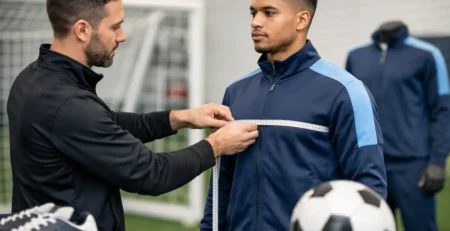
One of the biggest challenges with academy football training kit is sizing across different age bands. Junior squads can have huge variation in height and build, even within the same team. Teen players are often between sizes, and adult squads may want a closer or looser fit depending on preference.
That is why consistency across the range matters. If a club orders from a recognised teamwear brand with repeatable sizing, it becomes much easier to issue kit confidently and reorder later. Mixed sizing is normal, but random fit differences between ranges create avoidable admin.
It also helps to think about who is buying. When kit is ordered centrally by a club, sizing needs to be straightforward enough for coaches and managers to handle. When parents or players are buying individual items, the process needs to be clear enough to reduce mistakes. A training top that comes up small or tracksuit bottoms that run long can lead to unnecessary exchanges and delays.
Branding and customisation without overcomplicating it
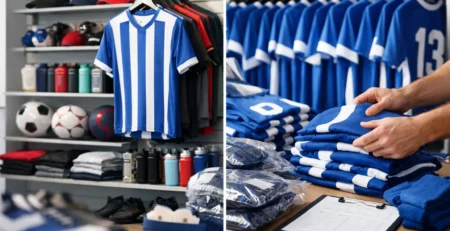
Academy kit usually works best when branding is clear and consistent. A club badge, school crest, initials or sponsor can all add value, but there is a balance to strike. Too much print can push the price up and make replacement stock harder to manage. Too little branding can make the setup feel disconnected from the club or academy identity.
For most organisations, the strongest approach is simple. Keep the same logo placement across the range, decide early whether player initials are needed, and think carefully about sponsor use on training wear. Sponsors can help fund kit, but they can also complicate reorders if agreements change mid-season.
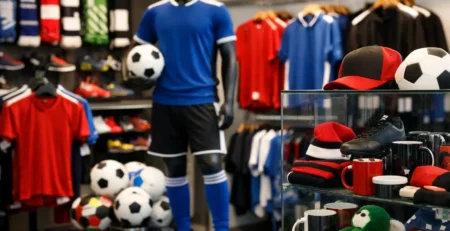
This is where working with a specialist football supplier can make a difference. Football Stuff, for example, supports clubs and academies that need both main orders and later top-ups, which is often the reality rather than the exception.
Durability matters more than chasing the lowest price
Budget always matters in grassroots football, but the cheapest route is not always the best value. A low-cost top that loses colour, bobbles after a few washes or needs replacing halfway through the season can cost more in the long run. The same applies to trousers with weak seams or jackets that do not cope well with repeated use.
A better way to judge value is to look at how the kit performs over time. Can it handle regular washing? Will it stay presentable across a full season? Is the range likely to remain available for repeat orders? These questions matter more than saving a small amount on the initial purchase.
Established teamwear brands often appeal to academies for exactly this reason. They usually offer more continuity in their ranges, and that makes life easier for clubs that need to keep squads aligned over several seasons. That said, premium does not always mean necessary. A local team training once a week may not need the same setup as a school football academy training four times a week and travelling for fixtures.
Buying for a club is different from buying for one player
Individual buyers often focus on comfort, style and price. Club buyers have a broader job. They need to think about stock continuity, age-group coverage, customisation, replacement items and whether the kit can support the whole football programme.
That changes the decision. A coach or club secretary is not just asking whether a training top looks good. They are asking whether thirty players can be kitted out now, whether five more can be added next month, and whether parents will be able to buy replacement items without confusion. Schools and academies also need to think about presentation, safeguarding around named kit, and how gear is distributed across the term or season.
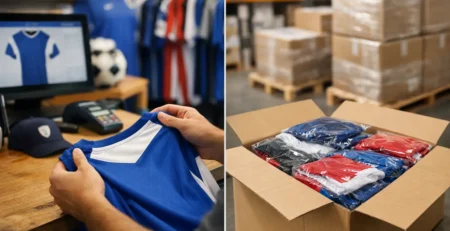
If the process is fragmented, small problems build quickly. One supplier for tops, another for rainwear and a separate order for accessories can create delays and mismatched branding. A more joined-up approach tends to save time and reduce admin, especially when teams are growing.
Getting the right setup for your academy
The best academy football training kit is the one that fits the way your players actually train. For some squads, that means keeping things simple with dependable tops, shorts and a cold-weather layer. For others, it means building a full range that covers training, travel and club presentation.
It is worth thinking beyond the first order. Ask whether the range will still work in six months, whether extra items can be added easily and whether the quality matches the amount of use the squad will give it. Good training wear should help players focus on football, not on whether their kit is uncomfortable, worn out or inconsistent with the rest of the group.
Choose well, and the benefits show up every week – better organisation, a more professional look and fewer kit headaches for coaches, parents and players alike.
Share this post
Author








Leave a Reply