
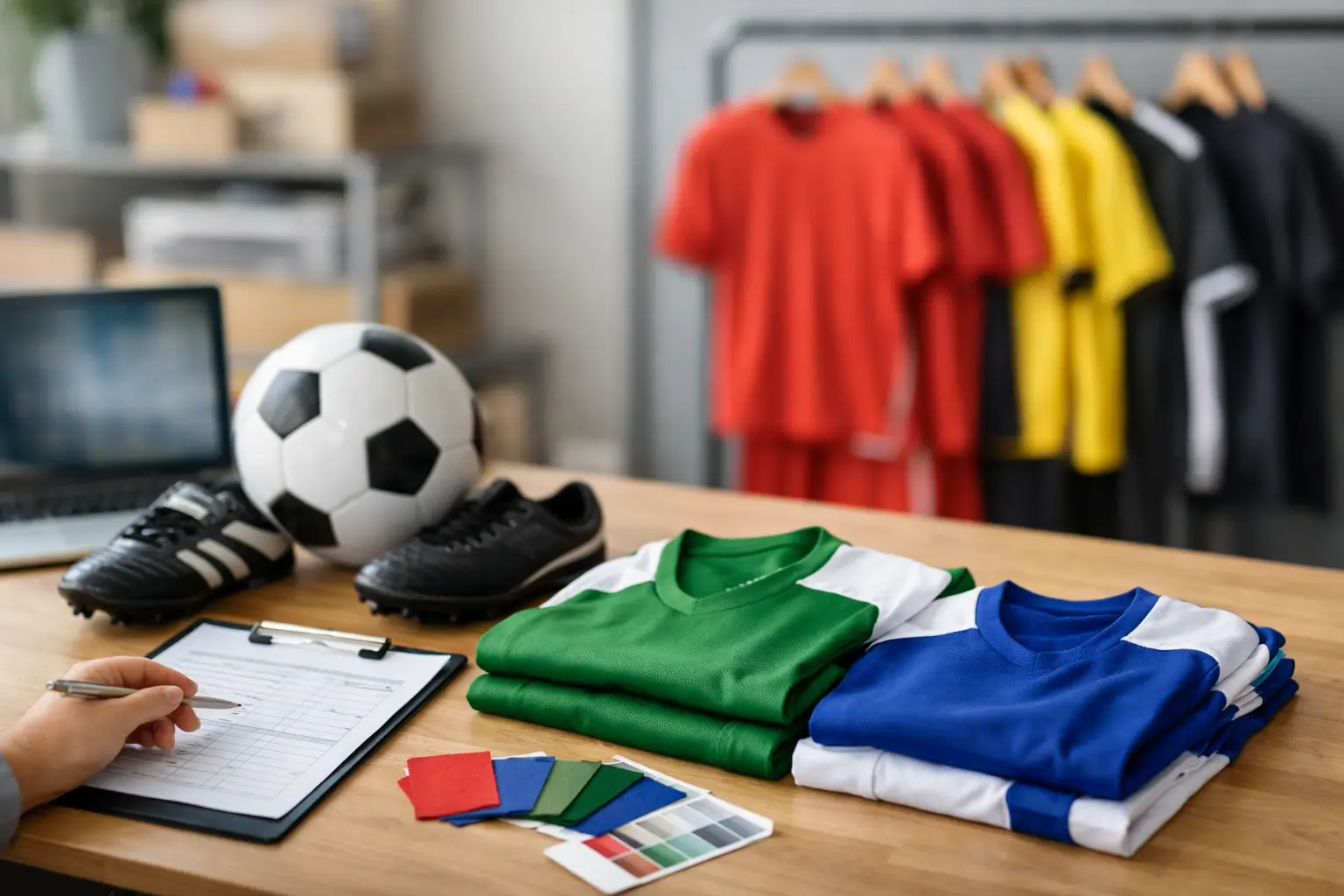
Guide to Grassroots Teamwear Ordering
One missing shirt on a Sunday morning can turn a simple fixture into a scramble. That is why a proper guide to grassroots teamwear ordering matters. For clubs, schools and community teams, getting kit sorted is not just about looks. It affects matchday readiness, player confidence, budgets and how smoothly the season runs.
At grassroots level, teamwear ordering usually falls to someone already doing three other jobs. A coach, club secretary, PE lead or parent volunteer often ends up managing sizes, collecting payments, checking logos and chasing late replies. The process gets much easier when you treat it as club operations, not a last-minute purchase.
Why a guide to grassroots teamwear ordering helps
The biggest mistake is ordering only for the next match. A better approach is to order for the season ahead. That means thinking beyond shirts and shorts to training tops, rain jackets, warm-up layers, matchday equipment and replacement stock.
When teamwear is planned properly, players get a consistent look across squads, coaches spend less time fixing kit issues and the club avoids repeat delivery charges on small emergency orders. It also helps supporters and parents know exactly where to buy approved items, especially when a club has multiple age groups and different staff handling each one.
There is a balance to strike, though. Ordering too little creates pressure by October. Ordering too much can tie up funds in stock that sits in a cupboard. The right answer depends on squad size, age group turnover, budget and whether your club expects regular top-ups during the year.
Start with what each squad actually needs
Before looking at brands, colours or customisation, define the order by use. Match kit is one category. Training wear is another. Staff kit, outerwear and club merchandise all serve different purposes and often have different budgets attached.
For a junior side, the priority may be a full matchday set with a few spares for new signings and lost items. For an academy or school, the focus may be broader, with training ranges, presentation wear and weatherproof layers needed across several teams. Adult clubs often need a mix of team-bought kit and player-paid extras.
This is where many orders become messy. Everything gets bundled into one conversation, and key details get missed. It is easier to separate the order into clear groups: compulsory team items, optional player extras and club merchandise. Once those are split out, decision-making becomes quicker.
Think season-long, not one order at a time
Ask a few practical questions early. Will numbers stay fixed all season? Are you likely to add players after trials? Do you need goalkeeper options in different colours? Will coaches need matching sideline wear? If your answer to any of these is yes, build that into the initial plan.
A small buffer stock can save time and stress, especially for youth teams where sizes change and squad lists shift. The trade-off is cost, so not every club will want to hold spares. If the budget is tight, focus spare stock on the most commonly replaced items such as shorts, socks and a couple of extra shirts in popular sizes.
Get sizing right before you place the order
Sizing is where grassroots orders usually go wrong. Parents guess. Players ask for room to grow. Adults order what they wore in another brand five years ago. Then the kit turns up and half the squad wants swaps.
Different manufacturers fit differently, so never assume one brand’s medium is the same as another’s. If your club is ordering across recognised teamwear brands, check the specific sizing guidance for that range and, where possible, work from actual measurements rather than assumptions.
For junior teams, it helps to decide your club’s position on growing room. A slightly generous fit may extend use across the season, but shirts that are too loose can affect comfort and presentation. For training wear, some flexibility is fine. For match kit, a cleaner fit usually works better.
If several squads are ordering together, nominate one person to collect sizes in a standard format. Free-text replies in a WhatsApp group are how mistakes start.
Decide early on branding and customisation
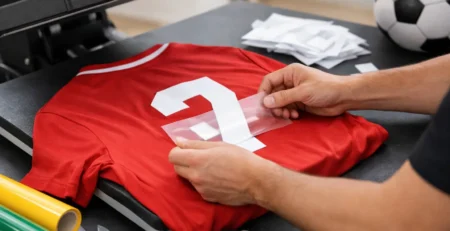
Names, numbers, initials, sponsor logos and club badges all need signing off before production starts. The more customised the order, the less room there is for changes later. That is not a problem if the admin is right from the start.
Keep the process simple. Confirm your club crest version, sponsor artwork and number style once, then use the same approved files and layout across teams where appropriate. That creates consistency and avoids one squad looking different from the next.
There is also a practical point here. Customised items are usually harder to exchange, so double-check spelling, squad numbers and role titles before anything is submitted. A rushed approval on Friday often becomes an expensive correction next week.
Keep club identity consistent
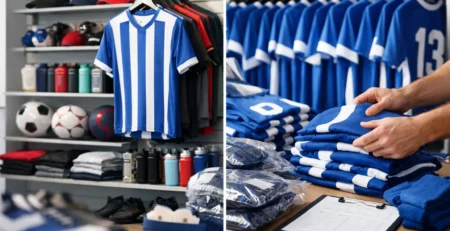
Grassroots clubs often grow in stages. One team orders navy training tops, another picks royal blue, and by mid-season the club looks split. A shared teamwear plan avoids that. Even if budgets differ by age group, setting agreed colours and core items gives the club a stronger identity.
That matters off the pitch as well. A consistent club look helps with presentations, tournaments, social media photos and supporter confidence. It also makes future top-up ordering much easier because everyone knows the approved range.
Set a realistic budget for teamwear ordering
A guide to grassroots teamwear ordering is not complete without budgeting, because this is where good intentions often run into reality. Most clubs are balancing subs, sponsorship, fundraising and parent contributions. Teamwear needs to fit around that.
Start by deciding what the club will fund, what sponsors will cover and what players can buy themselves. Some items need to be compulsory. Others are better left optional. That distinction protects the budget and avoids putting unnecessary pressure on families.
It can also make sense to phase orders. Match kit may need to come first, while training layers, bench coats or supporter wear can follow later. That approach keeps the team ready without overcommitting cash at the start of the season.
The cheapest option is not always the best value. Lower-grade products may wear out faster, fade sooner or need replacing more often. For clubs running weekly football in British weather, durability matters. Paying a bit more for reliable teamwear can reduce repeat spend over the year.
Make reordering easy from the start
The first order gets most of the attention, but top-ups are what test your setup. New players join. Socks go missing. Goalkeepers need fresh kit. Parents want extra training wear halfway through the season.
That is why clubs benefit from having an ordering model that works after launch, not just on day one. A centralised approach helps people buy the right items in the right colours without asking the manager every time. It also reduces the chances of someone buying a similar item that does not match the rest of the squad.
For many grassroots teams, this is where a specialist football retailer is more useful than a general sports supplier. If the range includes recognised brands, football-specific products and club-based ordering options, repeat buying becomes much easier to manage across players, staff and supporters.
Avoid the usual admin bottlenecks
Most delays come from three places: late size collection, unclear payment arrangements and incomplete customisation details. Fix those before the order is placed, and the whole process improves.
Give one person responsibility for sign-off. Ask for sizes by a clear deadline. Confirm who is paying for what. Lock branding details before production. It sounds basic, but these are the habits that separate smooth club ordering from the usual round of corrections.
If your club has several squads, it is worth creating a simple ordering calendar for the year. Pre-season bulk order, autumn top-up, winter outerwear check and spring replacement review is often enough to stay ahead.
Choosing the right supplier matters
Grassroots teams need more than a product catalogue. They need availability, clear options, football-specific knowledge and a setup that supports repeat orders. A supplier that understands squad ordering, customisation and club identity can save hours of admin over a season.
That is particularly true when different buyers are involved. One person may be ordering match kit, another may need training equipment, and parents may want individual top-ups. If all of that sits in one football-focused place, it is easier to control standards and save time.
Football Stuff is built around that kind of practical club support, with teamwear, equipment, customisation and club-shop access designed for organised teams and repeat buying.
Good teamwear ordering is really about reducing friction. Get the sizing right, keep branding consistent, budget for reality and make top-ups simple. When the process works, coaches can coach, players can play and the club looks properly prepared from the first whistle to the last fixture. That is time well spent before the season starts.
Share this post
Author




Leave a Reply