
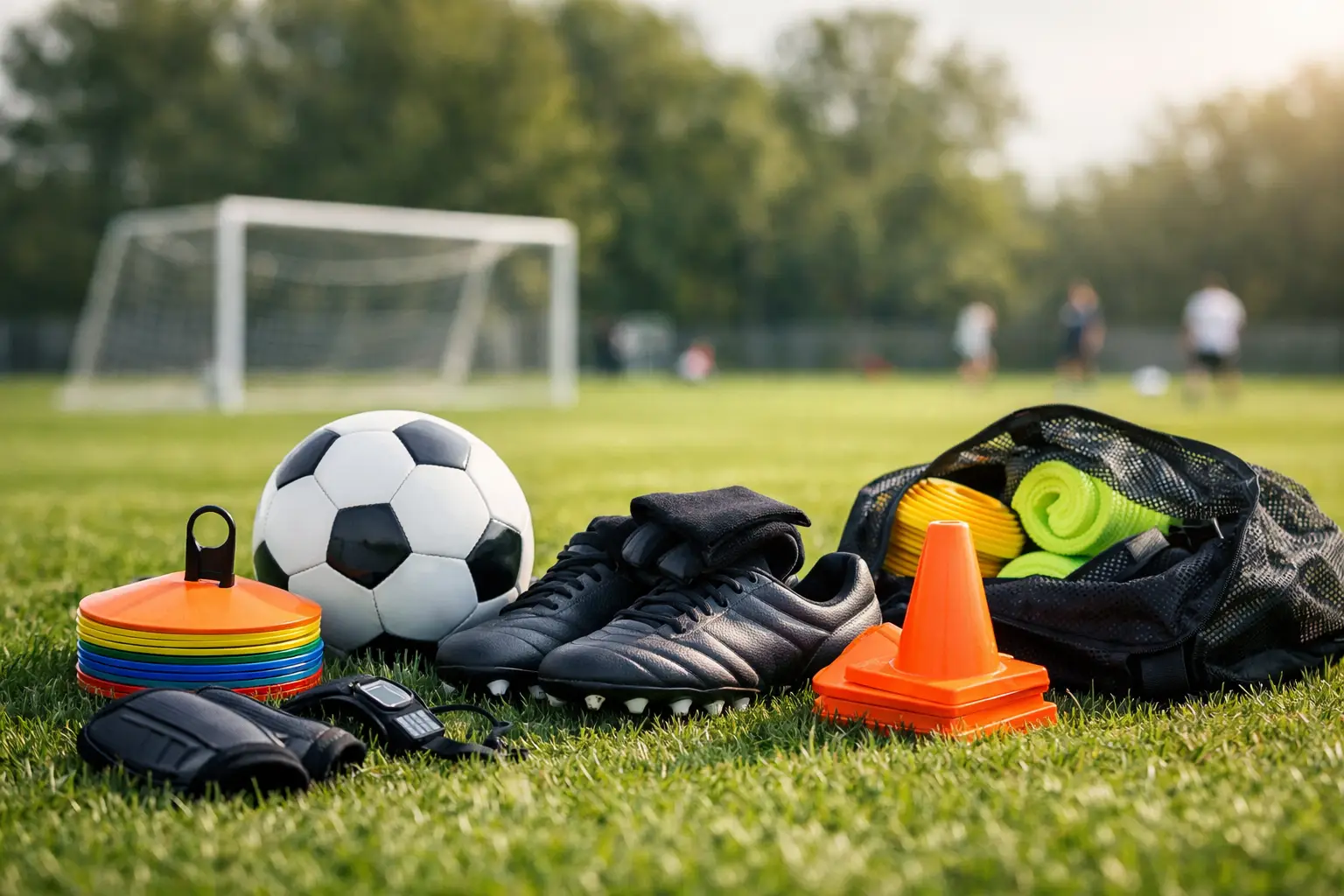
Grassroots Football Equipment Guide
A missing set of bibs on training night, flat match balls on a wet Saturday morning, or a junior team sharing cones with three other age groups – this is exactly where a good grassroots football equipment guide earns its keep. For clubs, schools and community teams, buying the right gear is not about extras. It is about keeping sessions organised, players safe and matchdays running without last-minute problems.
At grassroots level, every purchase has to work hard. Budgets are tighter, storage is limited and equipment gets used by different coaches, age groups and squads across the week. That means the best buying decisions are rarely about the cheapest option on the page. They are about value over a season, ease of replacement and whether the gear actually suits how your team trains and plays.
What a grassroots football equipment guide should cover
A useful grassroots football equipment guide starts with the reality of local football. Most teams do not buy once and forget about it. They top up through the season, replace lost items and add equipment as squads grow. That changes how you should think about stock.
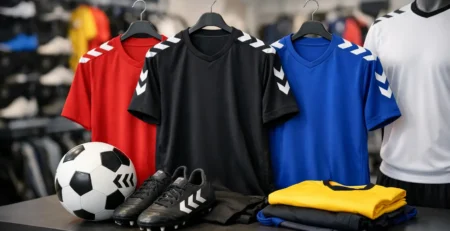
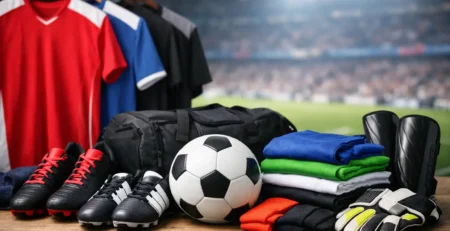
Matchday essentials come first. If your club is still piecing together kit and equipment from different suppliers and different seasons, it becomes harder to keep standards consistent. A reliable setup usually starts with match balls, team kits, goalkeeper wear, shin pads, socks and basic medical supplies. For clubs running several sides, it also helps to keep extras in reserve rather than ordering only when something goes missing.
Training equipment is where a lot of clubs either overspend or buy too lightly. You do not need every accessory going, but you do need the basics in enough quantity to run a proper session. Cones, markers, bibs, footballs, agility gear and portable goals should match the size of your squad and the age of your players. One bag of mixed old kit might get you through a session. It will not help you run efficient training across a full season.
Start with the core equipment every team needs
The easiest way to buy well is to separate essentials from nice-to-haves. Every grassroots setup, whether it is a school side, Sunday league team or junior academy group, needs a dependable base.
Footballs are the obvious starting point. Match balls and training balls should not always be treated the same way. Match balls need a higher and more consistent standard of feel and flight. Training balls need to take repeated impact, poor weather and regular use across drills. If you are buying for younger age groups, the correct ball size matters just as much as quality. Buy the wrong size and you affect technique, confidence and comfort.
Bibs matter more than people think. They take heavy use, get washed frequently and often disappear. Durable bibs in clearly different colours save time in every session. If your club has multiple teams on the same pitch block, avoid colours that overlap too closely with match kits.
Cones and markers are another area where cheap can become expensive. Lightweight markers can crack, blow away or warp quickly. If coaches set up and clear down several times a week, sturdier training markers are usually the better buy.
Goals depend on your environment. A club with a secure ground may be fine with more permanent options, while schools and travelling coaches often need portable goals that pack down quickly. The trade-off is simple – portability is convenient, but heavier and more solid frames generally last better and feel more stable.
Buying for age group, level and session type
Not every team needs the same setup, even within the same club. Under-7s and adult open-age sides do not train in the same way, and their equipment should reflect that.
Junior football needs a stronger focus on safety, visibility and manageable sizes. Lighter balls, smaller bibs and appropriate goal sizes make a real difference. Young players also tend to need more structured training layouts, so coaches often get better value from a larger quantity of cones and markers rather than niche specialist gear.
For teenage teams and academies, the emphasis often shifts towards intensity. That may mean more demand for agility ladders, hurdles, resistance accessories and higher volumes of training balls to keep drills moving. Even then, it is worth asking whether the equipment will be used every week or whether it is just filling a store cupboard.
Adult teams can usually work with a simpler training setup, but durability becomes even more important. Heavier sessions, stronger strikes and year-round wear can shorten the life of lower-grade products. If your men’s or women’s team trains twice a week and plays every weekend, saving a little upfront may not be the saving it first appears.
Kit, training wear and the problem of top-ups
For organised teams, clothing is part of the equipment plan, not a separate issue. Match kits, training tops, shorts, socks, rainwear and goalkeeper kit all need managing through the season. The challenge for many clubs is not the first order. It is the second, third and fourth one.
Players join late, children grow, shirt numbers change and items go missing. That is why consistency matters. If you can reorder the same range, colour and branding without starting again, club admin becomes much easier. The same applies to schools and academies trying to keep a smart, unified look across year groups.
Customisation is useful, but it needs a bit of thought. Printed numbers, initials and sponsor details can help teams look organised and professional, yet they can also make replacement stock less flexible. For some clubs, it makes sense to keep a small pool of unallocated training wear and spare numbered match shirts ready for emergencies.
Do not overlook storage, transport and stock control
A lot of equipment problems are not really buying problems. They are storage problems. Balls left under pressure in poor conditions, wet bibs shoved into a bag and portable goals dragged across hard surfaces will not last as long as they should.
Ball bags, kit bags and simple storage organisation can stretch your budget further than another rushed order. If your club has several volunteers handling equipment, label everything clearly and keep age-group stock separate where possible. It sounds basic because it is basic, but it saves time and money.
Transport matters too. Coaches carrying gear from car parks to pitches every week need equipment that is practical to move. Portable goals, foldable mannequins and compact training kits all help if your setup changes from venue to venue.
How to spend your budget sensibly
The best buying plan is rarely all premium or all budget. Most grassroots clubs need a mix. Spend more where performance, safety and repeat use really matter. Save where the item is simpler, easier to replace or less heavily used.
Balls, match kits and core training equipment usually deserve the bigger share. These are the items players and coaches rely on every session and every match. Lower down the priority list are accessories used occasionally or by only one squad.
It also helps to think in phases. If funds are limited, sort the weekly essentials first and build out specialist equipment later. A club that buys enough quality footballs, bibs, markers and teamwear is in a stronger position than one with a cupboard full of gadgets and not enough basics.
For larger clubs, centralising orders can make a big difference. Buying across teams reduces duplication, keeps branding consistent and makes reordering simpler. It is one of the reasons many organisations prefer a single football-focused supplier rather than piecing purchases together from several places.
Choosing equipment that is easy to reorder
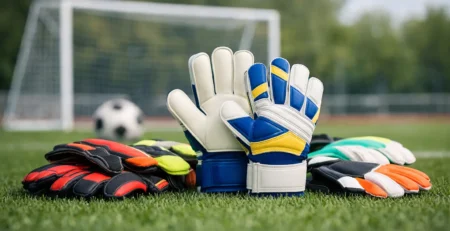
One of the most practical tests in any grassroots football equipment guide is this: can you get the same item again in a month or two? Grassroots football runs on repeat purchases. That applies to socks, balls, bibs, training tops, goalkeeper gloves and pretty much everything else that takes regular wear.
Recognised teamwear and football equipment ranges tend to make life easier because clubs can top up without changing the look of the squad or retraining everyone on different kit. For busy secretaries, PE staff and volunteer coaches, that reliability matters almost as much as price.
This is where a specialist retailer can genuinely help. A supplier focused on football, with teamwear, matchday gear and training equipment in one place, removes a lot of the friction from club buying. Football Stuff is built around that practical need – helping teams, schools and supporters source what they need without turning every reorder into a separate job.
Buy for the season you are actually running
There is no perfect shopping list that fits every club. A small junior side on one pitch will buy differently from a multi-team community club with school links and a growing girls’ section. What matters is buying equipment that suits your players, your coaches and the way your season works in real life.
If a product saves time, stands up to regular use and is easy to replace when needed, it is usually the right call. Support your club with gear that helps you train, play and perform week after week.
Share this post
Author




Leave a Reply