
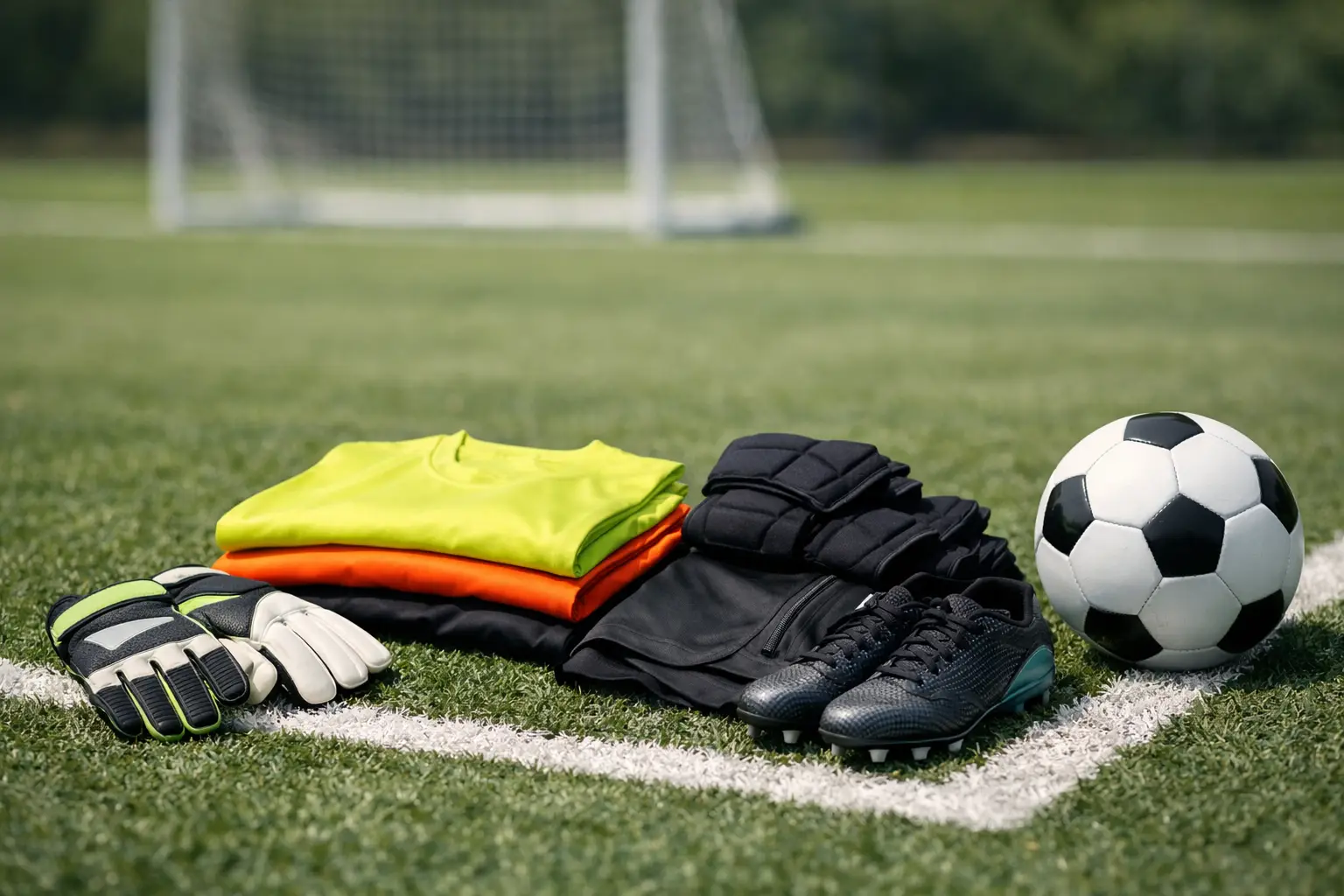
Guide to Goalkeeper Kit Selection
A goalkeeper rarely gets away with a kit that is just “good enough”. One poor fit, one heavy top in wet weather or one pair of shorts that restricts movement, and it shows straight away. That is why a proper guide to goalkeeper kit selection matters for clubs, coaches, parents and players alike. The right kit supports movement, comfort and confidence, while the wrong choice creates problems from the first warm-up.
For grassroots football, the decision is usually not about picking the most expensive option. It is about choosing a goalkeeper kit that suits the level, the age group, the pitch conditions and the practical reality of regular washing, repeat use and mid-season top-ups. A junior keeper playing on mixed surfaces has different needs from an adult keeper training twice a week and playing every Saturday. That is where a clear buying approach helps.
What a good goalkeeper kit needs to do
A goalkeeper kit has a simple job on paper. It needs to be comfortable, visible, durable and suited to the demands of the position. In practice, that means more than matching shirt and shorts.
Keepers dive, stretch, twist, land, recover and repeat. Their clothing needs to move freely without feeling baggy, and it needs to cope with contact with the ground far more often than an outfield kit. If the fabric is too heavy, it can feel restrictive. If it is too light, it may not stand up to repeated use on firmer surfaces. The best option usually sits in the middle – breathable enough for regular play, but strong enough for the job.
Visibility matters too. Goalkeeper shirts should stand apart clearly from both teams and the referee. That sounds obvious, but it is often overlooked when clubs try to coordinate multiple squads. Bright, distinct colours make life easier on matchday and reduce the chance of clashes.
Guide to goalkeeper kit selection by age and level
Age group changes the decision more than many buyers expect. Younger players usually need comfort, freedom of movement and practical protection first. They are still developing technique, so they may hit the ground awkwardly and need kit that helps them feel secure rather than restricted.
For junior football, softness, flexible fit and easy care are all worth prioritising. Parents and coaches also tend to need straightforward sizing that leaves room for growth without becoming oversized. A shirt that swamps a young keeper can be just as unhelpful as one that feels too tight across the shoulders.
Teenage and academy-age keepers often want a more performance-focused fit. At that stage, players are training more seriously and usually care about how the kit feels in movement. Lighter fabrics and a closer cut can work well, provided there is still enough room for diving and handling.
Adult grassroots keepers often need the most balanced option of all. They want comfort over 90 minutes, but they also need a kit that washes well, lasts through the season and can be reordered if one item needs replacing. For clubs, that consistency matters almost as much as performance.
Fit comes first
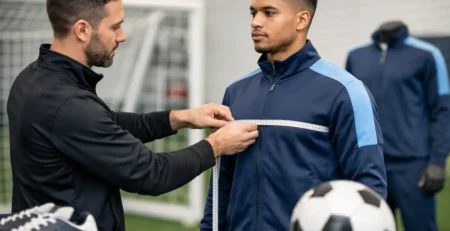
If there is one area that should never be guessed, it is fit. Goalkeeper shirts, shorts and socks all need to work together, not fight each other.
A shirt should allow full shoulder rotation and unrestricted reach. If it pulls across the chest when the keeper extends for a cross, it is too tight. If the sleeves slide excessively or the body hangs too loose, it can feel awkward and distracting. Some keepers prefer a closer athletic fit, while others want a bit more room. Neither choice is wrong, but the kit still needs to support quick movement.
Shorts should stay secure without pinching at the waist or limiting leg lift. Goalkeepers are constantly moving from standing to set position to full extension, so shorts that ride up or feel stiff quickly become a problem. Socks need enough stretch to stay up and sit comfortably with shin protection where required, especially for younger players who are still getting used to full matchday kit.
For clubs ordering across squads, consistency in sizing is useful, but it is still worth checking brand-specific measurements. A medium in one range may not feel the same in another. That is particularly important when you are managing replacement orders later in the season.
Protection depends on the player and the pitch
Protection in goalkeeper kit is not a one-size-fits-all issue. Some keepers want padded elbows and hips, especially when playing on harder ground or 3G surfaces. Others prefer lighter kit and use separate base layers or undershorts if needed.
For younger or less experienced goalkeepers, built-in protection can be reassuring. It helps them commit to diving without worrying as much about impact. On rougher pitches, that extra layer can also reduce wear on the kit itself.
That said, padding adds bulk. Some players feel it slows movement or makes the kit warmer in mild weather. For that reason, experienced keepers often choose according to season and surface. A heavily padded setup may suit winter football on hard ground, while a lighter combination can feel better in spring or on softer grass.
The key point is to match the level of protection to actual use. There is no need to overbuy features that the player does not want, but there is also no point saving a small amount on kit that leaves a keeper uncomfortable every week.
Fabric, weather and washability
Grassroots football does not happen in controlled conditions. One week it is cold and wet, the next it is unexpectedly mild, and the kit still has to perform. Fabric choice therefore matters more than appearance alone.
Breathable materials help with comfort during training and match play, particularly for keepers in long sleeves or padded tops. At the same time, the fabric should be strong enough to cope with repeated use and frequent washing. This is where practical teamwear often beats fashionable choices. A goalkeeper kit needs to come back out of the wash ready for the next session, not demand special treatment.
Weather also affects preference. Long-sleeved shirts remain popular because they offer extra coverage and can feel more protective in poor conditions. Short-sleeved options can work well too, especially when paired with base layers. It depends on what the keeper is used to and what the club needs for the season.
If you are buying for a squad rather than one player, think beyond the first wear. Mud, rain and winter training put kit under pressure. Durable fabrics and dependable stock availability usually deliver better value than chasing the cheapest possible option.
Colour, club identity and matchday compliance
A goalkeeper kit has to stand out clearly, but it also needs to work with the wider club setup. This is especially important for schools, academies and clubs running multiple teams.
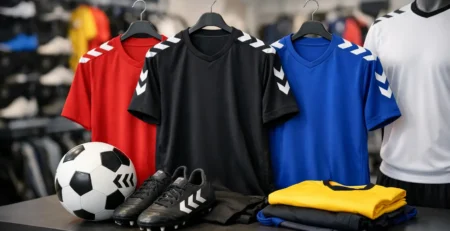
Bright colours such as yellow, green, orange and blue are common choices because they contrast well with standard outfield strips. The exact colour matters less than making sure it does not clash with either side on the day. If a club has several teams sharing facilities and equipment, keeping goalkeeper colours consistent can simplify ordering and presentation.
There is also the question of club identity. A coordinated look across matchday wear helps teams appear organised and supports a stronger club image. That does not mean every goalkeeper must wear the same design across every age group, but it does help to work within a clear club approach.
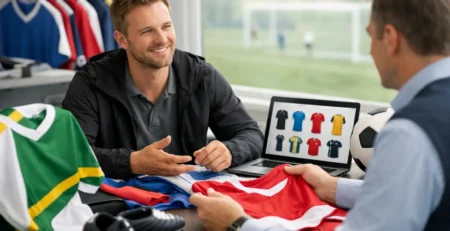
For buyers managing teamwear centrally, this is where using a football specialist can save time. Football Stuff, for example, serves clubs and schools that need branded teamwear, repeat orders and reliable top-ups without turning every replacement into a fresh admin task.
Buying for one keeper versus buying for a club
Individual buyers can focus purely on personal fit and preference. Club buyers have a wider job. They need kit that players will actually wear, but they also need continuity, sensible pricing and a straightforward route for reordering.
That changes the decision. A single goalkeeper may love a niche style, but if the range is difficult to replace or unavailable later, it creates problems. Clubs are usually better served by recognised teamwear ranges with stable sizing, clear colour options and enough stock depth to support the season.
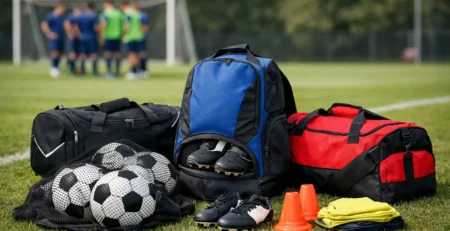
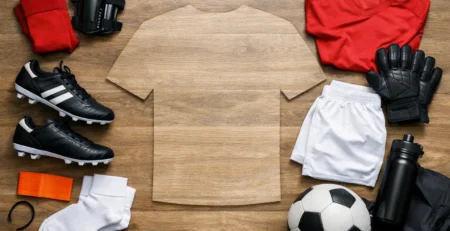
It is also worth thinking about how many pieces are needed. One full match kit is rarely enough for an active goalkeeper. Training wear, a spare match top, replacement shorts or extra socks can all become necessary quickly. Planning that from the start often saves money and stress compared with rushed mid-season buying.
Common mistakes to avoid
The biggest mistake is choosing on appearance alone. A smart-looking shirt that fits badly or wears out quickly is poor value. The next most common issue is underestimating how often goalkeeper kit gets used and washed.
Another mistake is buying too much padding for a player who wants flexibility, or too little protection for a young keeper on firm ground. It always comes back to use case. Surface, age, weather and playing style all matter.
Finally, avoid treating goalkeeper kit as an afterthought when ordering teamwear. The keeper has a specialist role and needs specialist kit choices. When clubs give that part of the order proper attention, performance and presentation both improve.
A goalkeeper notices every detail of their kit once the game starts. If it fits well, moves properly and stands up to the season, they can get on with the job. That is usually the best sign you made the right choice.
Share this post
Author


Leave a Reply