
Choosing Football Kit Bags for Teams
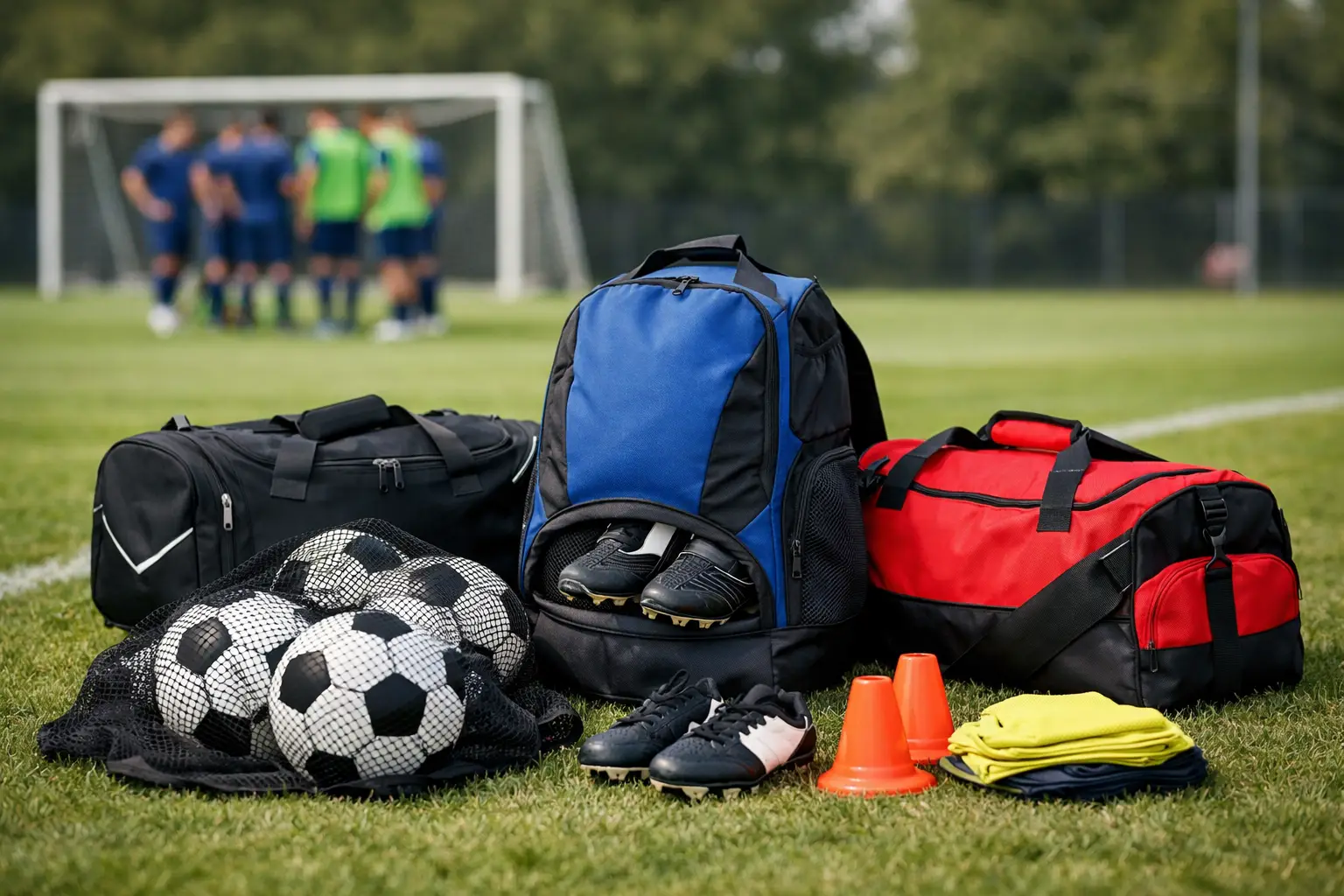
A torn zip at 8.15 on a Saturday morning can throw the whole matchday routine off. When bibs spill out in the car park, wet kits get mixed with training gear and someone is hunting for the pump five minutes before kick-off, the bag stops being a small detail. For clubs, schools and grassroots sides, football kit bags for teams are part of keeping everything organised, protected and ready to go.
Why football kit bags for teams matter
Most teams do not just need something big enough to carry shirts and cones. They need a bag that fits the way the squad actually operates. That could mean one large holdall for shared match kit, separate bags for training equipment, or individual player bags that still look consistent across the group.
At grassroots level, the demands are usually practical rather than flashy. Bags are dragged across changing room floors, loaded into boots, carried to training on dark evenings and emptied quickly in poor weather. A decent team bag has to cope with regular use, awkward loads and the fact that different people will be handling it during the season.
There is also the issue of presentation. For organised teams, matching bags can help create a more professional look on matchday and make it easier to identify club equipment. That matters for schools, academies and community clubs that want players to take pride in representing the team.
What to look for in football kit bags for teams
The right bag depends on what you are carrying, how often you travel and who is using it. A junior team manager collecting shirts after every match will need something different from an academy coach moving balls, markers and training tops between sessions.
Start with capacity, not appearance
Size comes first. If the bag is too small, you end up forcing zips, overfilling compartments and wearing it out early. If it is too large, kit shifts around, smaller items disappear to the bottom and the bag becomes awkward for younger players to handle.
For shared team use, think about a realistic load rather than a best-case one. Count full match kits, goalkeeper kit, spare socks, bibs and any extras the manager usually carries. If the same bag will also take first aid supplies or training accessories, leave room for that from the start.
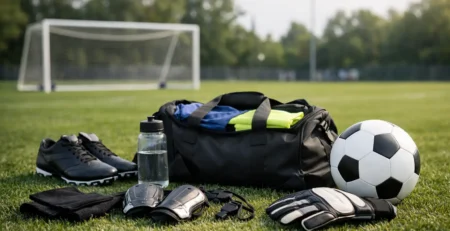
For individual squad bags, consistency matters more than maximum volume. Players usually need enough room for boots, shin pads, water bottle, change of clothes and outerwear. A bag that handles all of that without becoming bulky is often the better choice.
Durability should be non-negotiable
Grassroots football is hard on equipment. Bags get thrown into changing rooms, left on wet surfaces and packed in a hurry. Strong stitching, reinforced handles and hard-wearing fabric make a real difference over a season.
Zips are worth paying attention to as well. A large bag with weak zips can become unreliable quickly, especially when overpacked. Handles and shoulder straps should feel secure under load, because these are usually the first areas to show strain.
This is one of those cases where buying purely on price can cost more later. A cheaper bag may do the job for occasional use, but regular team transport needs something built for repeated loading and unloading.
Compartments make organisation easier
A single large compartment sounds simple, but it is not always efficient. Separate sections for boots, wet clothing or smaller accessories can save time before and after sessions. If your coaches are constantly digging around for tape, captain’s armband or pumps, internal organisation starts to matter.
That said, more compartments are not always better. Too many small sections can reduce usable space, especially in a bag meant for bulk kit. For team managers, a straightforward layout with one main compartment and one or two practical side sections is often enough.
Carrying comfort still matters
Even if a bag is mostly used for team kit, someone still has to move it from clubhouse to touchline. Padded straps, balanced handles and a shape that sits properly in the boot of a car all help. Wheeled options can work well for larger loads, particularly for schools or clubs moving equipment longer distances, but they are less useful if your route includes uneven paths or muddy ground.
Team holdalls or individual bags?
This is usually the first buying decision. Some clubs need one central bag for shared kit. Others need a full set of matching player bags. Quite a few need both.
A team holdall works well when the club collects and redistributes kit on matchday. It keeps everything in one place, which helps with stock control and reduces the risk of shirts going missing between fixtures. This option suits junior sides, school teams and clubs where kit is managed by the coach or team secretary.
Individual bags are more useful when players are expected to bring their own gear to training and matches. They support a more independent routine and can help build a stronger team identity, especially when colours and branding match the wider club setup.
The trade-off is straightforward. Shared bags are easier for central control, but they put more responsibility on staff or volunteers. Individual bags spread the load, but they also rely on players and parents being organised. For many grassroots clubs, a mixed approach is the most practical answer.
Branding, customisation and club identity
A plain bag can still do the job, but for clubs trying to keep a consistent look across squads, branded bags offer more than appearance. Adding a club badge, initials or squad name can make equipment easier to identify and reduce confusion when several teams are using the same venue.
This matters particularly for larger clubs, schools and academies with multiple age groups. If bags are clearly marked, staff spend less time sorting through kit and players know what belongs to their team. That can be especially helpful at tournaments and away fixtures where changing areas are busy and equipment gets mixed together.
Customisation needs to be handled sensibly, though. If you are ordering for growing junior players, initials or numbers may be more flexible than role-specific labelling. For shared holdalls, club name and badge are often enough.
For clubs already ordering match kits, training wear and accessories together, keeping bags aligned with the rest of the teamwear makes the whole setup feel more joined up. That is one reason many teams prefer buying from a specialist football supplier rather than piecing orders together from different places.
Getting the right bag for junior, school and adult teams
Not every squad needs the same specification. Junior teams often benefit from lighter bags with manageable dimensions, especially when younger players carry their own gear. Adult teams can usually handle larger, heavier options, but that does not mean bigger is always better.
Schools and PE departments often need bags that work across several groups and survive frequent use. In that case, durability and easy identification tend to matter more than style details. Academy setups may put more emphasis on matching presentation and personalised kit storage.
You should also think about how often the bag is being used. A bag for one match a week has a different workload from a bag used for midweek training, weekend fixtures and school sport. The more frequent the use, the less sensible it is to compromise on build quality.
Buying for a club means thinking beyond one order
The best purchase is not always the one that looks cheapest on day one. Clubs often need top-ups later in the season, whether because a player joins, a bag is damaged or another squad wants the same setup. Choosing a style and brand that can be reordered more easily helps keep things consistent.
It also helps to think about the wider equipment picture. If your club is ordering balls, bibs, teamwear and matchday items from different suppliers, small issues add up – mismatched branding, repeated delivery charges and more time spent chasing stock. A single football-focused supplier can make the process simpler, particularly when you are managing multiple teams.
For clubs wanting a straightforward route to branded teamwear, training kit and accessories, Football Stuff fits that practical model well. The main advantage is not just product range. It is being able to support your club with kit and equipment that work together across the season.
A sensible choice pays off every week
A football kit bag does not score goals or run sessions, but it does shape how smoothly the team gets from storage to pitch. The right bag keeps kit together, reduces hassle for coaches and helps players turn up ready to train, play and perform. Choose one that matches your team’s real routine, and you will feel the benefit every week, not just on the day it arrives.
Share this post
Author





Leave a Reply