
How to Run a Club Shop That Works
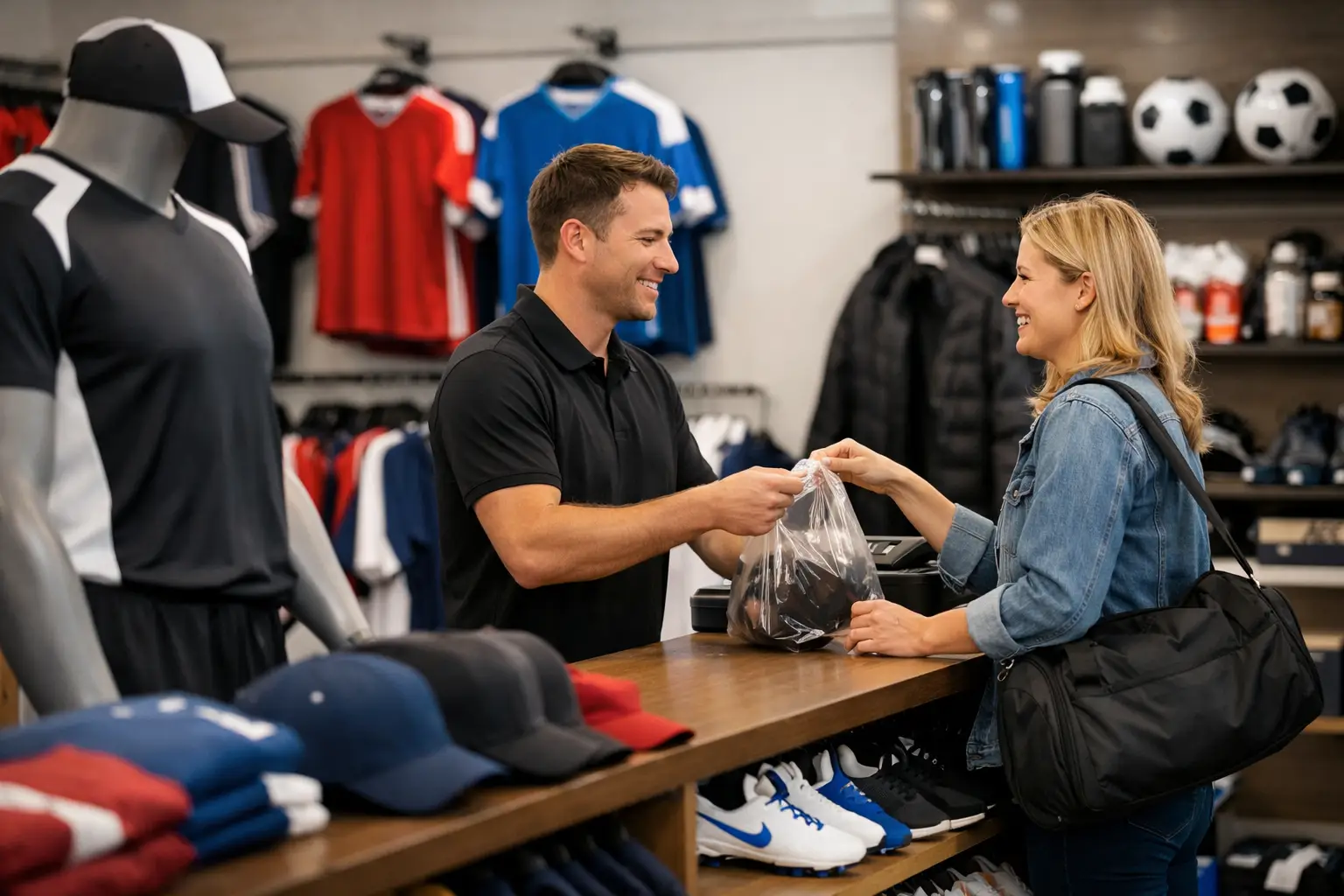
If your club shop only opens when somebody loses a sock, needs a new hoodie or remembers the tournament is next weekend, it is not really doing its job. Knowing how to run a club shop properly means making it easy for players, parents and supporters to buy the right football gear at the right time, without piling more admin onto coaches and volunteers.
A good club shop is not just a place to sell shirts. For grassroots football, it is part supply point, part fundraiser and part operations tool. When it works, squads stay consistent, replacement items are easy to order and supporters know where to go for official club merchandise. When it does not, you get mixed kit colours, late payments, WhatsApp chaos and one exhausted club secretary trying to chase sizes.
What a club shop needs to do
The first step in how to run a club shop is being clear about its purpose. Most clubs want three things from it. They want a reliable way for players to buy essential teamwear, a simple route for supporters to buy club-branded products, and a system that cuts down time spent collecting orders manually.
That sounds straightforward, but clubs often try to make one shop do too many jobs at once. Match kit, training wear, rain jackets, balls, bags, base layers and trophies all matter, but not every item needs to be front and centre on day one. A club shop works best when it is built around real buying habits. Parents usually need replacement socks, shorts and training tops quickly. Managers need a clear route to top up squad kit. Supporters want easy gift and matchday options. Start there.
How to run a club shop without creating extra admin
The biggest mistake clubs make is setting up a shop that still depends on one person behind the scenes. If all orders have to pass through a coach, treasurer or team admin, you have not solved the problem. You have just moved it.
A stronger model is one where individuals can order approved items directly from a dedicated club shop. That keeps product choice controlled, but removes the need for somebody at the club to collect forms, handle cash or manage endless messages about sizing. For larger clubs with several age groups, this matters even more. One under-9s order issue is manageable. Ten squads worth of them is not.
It also helps to separate what is compulsory from what is optional. If players need certain items for training or matchdays, make that clear. If other products are extras, such as supporter hoodies or club accessories, keep them available but label them properly. People buy faster when the choice is clear.
Keep the range focused and football-specific
A club shop should feel useful, not crowded. That means stocking the items people actually need across the season, rather than filling pages with products that rarely move.
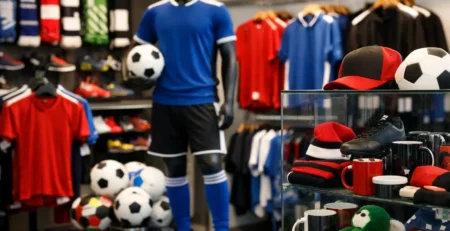
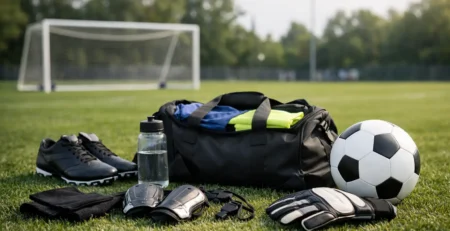
For most grassroots clubs, the core range will be training wear, matchday essentials and supporter merchandise. Training tops, shorts, socks, rain jackets, tracksuits, bags and base layers usually earn their place because they solve regular problems. Replacement kit is especially important in junior football, where players grow quickly and items go missing just as quickly.
Brand choice matters too. Established teamwear brands give clubs consistency in sizing, availability and presentation. That helps when a team needs to reorder mid-season or add new players. Bespoke options can work well for identity and presentation, but they need more planning. If a club changes design too often or chooses a range with long lead times, replacing single items becomes harder. There is always a balance between standing out and keeping supply practical.
Make sizing and ordering simple
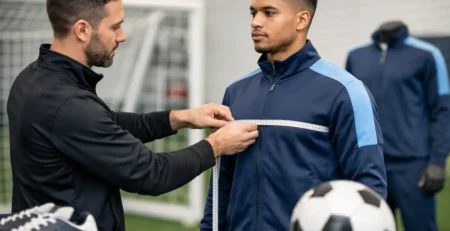
A lot of club shop friction comes down to uncertainty. Parents are not always sure whether a child needs junior or adult sizes. Adult players often order late and want kit by Saturday. If the shop experience is unclear, people put it off.
That is why sizing guidance matters. Even a well-priced club shop will struggle if buyers are worried about ordering the wrong fit. Where possible, keep ranges consistent across squads and seasons. Frequent changes in brand or product line create confusion and can leave teams with mismatched gear.
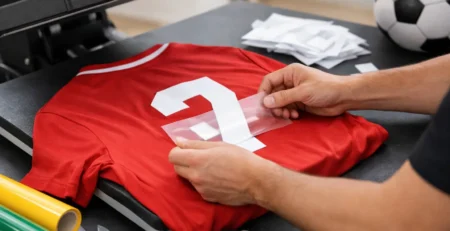
Clubs should also think carefully about personalisation. Printed initials, squad numbers and embroidered badges can make products feel official, but they also affect returns and lead times. For compulsory teamwear, customisation often makes sense. For optional extras, it depends on how quickly the club wants stock to move and how much flexibility buyers need.
Treat supporters as part of the audience
One reason club shops perform better than one-off bulk orders is that they serve more than just registered players. Parents, grandparents, volunteers and local supporters all want a way to back the club. A decent range of supporter products gives them that chance without creating more work for the committee.
This matters commercially as well as culturally. Supporter wear can bring in repeat purchases outside the standard kit cycle. A parent might only buy match socks when needed, but they may also pick up a club hoodie, hat or training tee during the season. That wider appeal helps the shop stay active instead of becoming something people visit only in August.
The key is not to overcomplicate it. Supporter products should still feel connected to football use, club identity and value. If the shop becomes too generic, buyers lose confidence that it is the official place to support the club.
Plan for repeat orders, not just launch day
A lot of clubs put energy into launching a shop, then leave it untouched. That is where standards slip. Learning how to run a club shop well means treating it as an ongoing part of club operations.
Needs change through the season. New signings join, weather turns, squads qualify for cups, schools need PE kit top-ups, and supporters start looking for Christmas gifts. A club shop should be ready for those moments. If the product range is reviewed regularly, the shop stays useful. If not, people go elsewhere and the club loses control over presentation and spending.
It also helps to think by audience. Junior sections often need more replacement basics. Adult sides may buy less often but spend more on outerwear and training gear. Schools and academies usually need a more structured range with clear uniform expectations. One shop can cover all of that, but only if it is organised properly.
Choose a supply setup that your club can maintain
Not every club has the same capacity. A small village side will not run its shop in the same way as a large community club with multiple teams and a busy tournament calendar. That is why supply setup matters.
Some clubs prefer a simple online club-shop model where approved items are available year-round and orders go directly through a specialist retailer. For many grassroots setups, that is the most practical route because it cuts admin and gives buyers a single place to find official products. Others may want a more managed arrangement around squad ordering, especially for first issue kits or large custom runs.
The right answer depends on volume, product mix and how much control the club wants over branding. What usually does not work is trying to manage everything informally. Spreadsheets, bank transfers and ad hoc group chats might get you through one order window, but they rarely support a full season well.
Set clear expectations on lead times and stock
People are usually reasonable when they know what to expect. They get frustrated when they do not. If an item is customised, say so. If it takes longer than a standard product, make that clear upfront. If a certain range is seasonal or subject to supplier availability, clubs need to know before a team builds around it.
This is especially important when ordering for children. Parents often buy close to need, not months in advance. A straightforward ordering setup with realistic timescales avoids unnecessary chasing and keeps confidence high.
For clubs, reliable fulfilment often matters more than chasing the very lowest possible price. Saving a small amount on a top means little if reorders are inconsistent, colours vary or key items cannot be replaced halfway through the season.
Promote the shop properly inside the club
Even a well-built shop needs visibility. Players, parents and supporters should know it exists, know what it is for and know when to use it. That means mentioning it during registration, sharing it at the start of the season and using it whenever new teams or members join.
The club should also be consistent. If official products are available through the club shop, avoid sending people to multiple places for similar items. A single route reduces confusion and helps the shop become the default place for kit, training wear and merchandise.
For clubs that want a dependable, football-first setup, working with a specialist supplier can make that much easier. Football Stuff is one example of a model built around dedicated club shops, recognised teamwear brands and the day-to-day needs of grassroots teams.
Run your club shop like part of your football operation, not an afterthought, and it will save time, support your teams and keep the whole club looking joined up.
Share this post
Author





Leave a Reply