

A Guide to Football Club Merchandise
Match kit gets the attention on a Sunday morning, but club merchandise often does the steady work behind the scenes. It helps teams look organised, gives parents and supporters simple ways to back the club, and makes it easier to keep players topped up with the gear they actually need. This guide to football club merchandise is built for grassroots clubs, schools and community teams that want practical products, sensible ordering and fewer last-minute scrambles.
For some clubs, merchandise means scarves, hats and a few supporter items. For others, it includes training wear, rain jackets, bags, base layers, presentation kit and top-up essentials for players across several age groups. The right setup depends on how your club runs, who is buying, and whether you need one-off stock or an ongoing shop that supports the whole season.
What football club merchandise should include
The strongest club merchandise range is usually the one people will genuinely use. That sounds obvious, but plenty of clubs start with novelty items and miss the basics. In grassroots football, practical always wins.
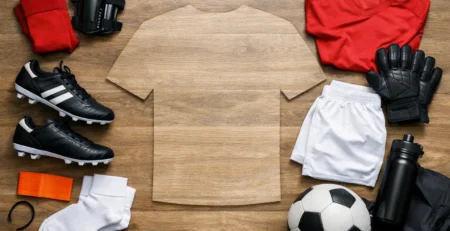
For players, coaches and managers, the core range normally starts with training wear. That might mean quarter-zips, training tops, shorts, track trousers, socks, waterproofs and holdalls. These are the items that get worn weekly, washed constantly and replaced mid-season. If they are easy to reorder, the club saves time and avoids a lot of chasing around.
For supporters and families, merchandise works best when it feels connected to the club rather than forced. Hoodies, tees, hats and scarves are common because they are easy to wear away from matchday as well. In school and academy settings, branded outerwear and bags often make more sense than traditional supporter gear, especially where parents are buying with usefulness in mind.
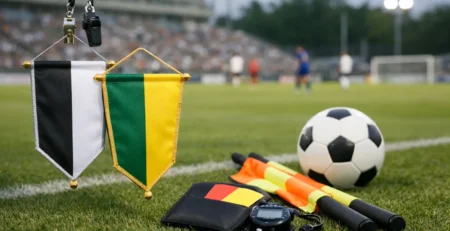
There is also a third category that often gets overlooked – operational products tied to club identity. Referee pennants, presentation wear, coach kit and staff clothing all contribute to a more professional club image. They may not be the first products people think about, but they matter when a club wants consistency across matchdays, tournaments and events.
A guide to football club merchandise buying priorities
If you are choosing merchandise for a club rather than for yourself, the first question is not what looks best. It is what will be easiest to run. A good merchandise setup should reduce admin, not create more of it.
Start with demand. Junior clubs may see strong sales in hoodies, rain jackets and backpacks because parents want something useful for school runs, training nights and away fixtures. Adult sides may lean more heavily towards training kit top-ups, bench wear and travel gear. Schools and academies often need a cleaner, more structured range with repeat ordering built in.
After demand, think about consistency. One of the biggest frustrations at grassroots level is when different squads end up wearing near-matching items from different seasons or suppliers. That can happen gradually, especially when people buy ad hoc. Choosing a defined merchandise range from recognised teamwear brands helps keep the club looking like one club.
Price matters too, but cheapest is not always best. A low-cost hoodie that loses shape after a few washes is rarely good value. Equally, not every item needs to be premium. The sensible route is to spend where durability really counts – training tops, outerwear, bags – and stay flexible on lower-risk items where buyers may be more price-sensitive.
Choose products people reorder
The easiest products to justify are the ones people will need again. Training wear, socks, base layers, rain jackets and team bags fall into that category. They get lost, outgrown or worn out. A proper club merchandise range should make replacements simple rather than turning each top-up into a fresh sourcing job.
Keep sizing and age groups in mind
A junior club buying for under-7s and under-16s has different needs from an adult reserve team. Children grow quickly, and that affects what parents are willing to spend. In those cases, practical items with broad use usually perform better than expensive niche pieces.
Why official club association matters
Club merchandise works better when buyers trust it is the right product, in the right colours, for the right team. That is where an official club-shop model can make a real difference.
Instead of passing messages through managers, screenshots in group chats and one-off ordering forms, a dedicated club shop gives everyone one place to buy. Players can replace missing kit items, parents can order training wear, and supporters can pick up branded products without asking three different people what is available. For volunteer-run clubs, that convenience is not a bonus. It is often the difference between a tidy process and a constant headache.
There is also the branding issue. Official club merchandise should look consistent across squads and seasons. Fonts, badge application, colour matching and product selection all need to feel joined up. If each team orders from a different source, that consistency disappears quickly.
Balancing brand, budget and performance
Most grassroots clubs are not trying to impress with fashion-led merchandise. They want dependable products that hold up through training, travel and regular washing. That is why established teamwear brands remain a sensible choice.
Known football brands usually offer better continuity across ranges, which helps when clubs need repeat orders. They also tend to provide stronger fabric quality and more reliable sizing than unknown alternatives. That said, the right choice still depends on the club.
A school may prioritise value and easy reordering across large numbers. A community club with several adult and junior teams may want a broader product range with outerwear, coach wear and supporter options. An academy might place more emphasis on presentation and consistency. There is no single perfect merchandise plan, but there is usually a clear best fit for how the organisation operates.
Customisation has to be practical
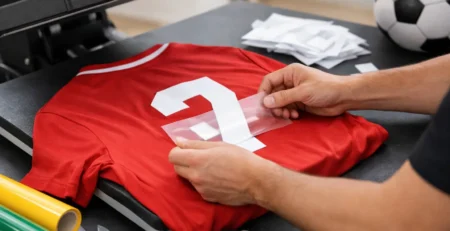
Names, initials, squad numbers and embroidered badges can add value, but only when they are handled properly. Too much customisation can make exchanges harder and create delays if clubs are not clear on what they need.
For that reason, many teams do well with a mixed approach. Core staff and player items can be customised where needed, while supporter products stay simple and easy to order. That keeps the range flexible and avoids turning every purchase into a bespoke job.
Common mistakes clubs make with merchandise
The most common mistake is treating merchandise as separate from the rest of the club’s football supply. In reality, supporters’ hoodies, coach jackets, training tops and replacement shorts all sit in the same operational picture. If they are sourced from different places, clubs lose time and often pay for it in inconsistency.
Another mistake is making the range too wide too early. More products do not always mean better choice. If half the range rarely sells, it creates confusion and makes the club shop harder to manage. It is usually better to start with a focused selection that covers players, staff and supporters properly.
Timing is another issue. Clubs often leave merchandise planning until just before the season starts, when managers are already sorting registrations, fixtures and kit distribution. A better approach is to review what sold, what ran out and what caused problems at the end of one season, then set the next range before pre-season pressure kicks in.
Finally, some clubs forget that convenience drives sales. If ordering feels awkward, people put it off. If the process is simple and products are clearly grouped by club, team or use, buyers are far more likely to get what they need without chasing committee members for help.
Building a merchandise setup that works all season
A strong merchandise setup should serve more than one type of buyer. Players need top-ups. Coaches need dependable training and matchday wear. Parents want easy access to the right products in the right sizes. Supporters want straightforward ways to show club colours without guesswork.
That is why centralising club products makes such a difference. A single specialist supplier with football-specific stock, recognised brands and club-shop support can cut out a lot of friction. It keeps products aligned, makes repeat orders simpler and helps clubs avoid the stop-start buying cycle that wastes time each season.
For many organisations, the best approach is to think in layers. Start with essential player and staff products. Add supporter items that have broad appeal. Then build around club events, presentations or seasonal needs if demand is there. That keeps spending focused and the product range useful.
If you are reviewing your current setup, ask a few straightforward questions. Can players and parents easily replace key items? Does the club look consistent across age groups? Are you using products that stand up to regular football use? And can buyers get what they need without going through a chain of messages first?
If the answer to any of those is no, your merchandise setup probably needs tightening up. Football Stuff is built around exactly that sort of practical support – helping clubs, schools and teams buy official gear, training wear and branded products in one place, without making the process harder than it needs to be.
Good football club merchandise is not about filling a shop with extra products. It is about giving your club a reliable way to support players, back the badge and keep everyone ready for the next session, fixture or presentation night.
Share this post
Author





Leave a Reply