

Choosing a School Football Kit Supplier
A missed delivery the week before a cup match causes more disruption than most schools can afford. When staff are already juggling fixtures, permissions, transport and budgets, the last thing they need is kit ordering becoming another problem. That is why choosing the right school football kit supplier matters. It is not only about buying shirts and shorts. It is about making sure pupils are ready to train, play and represent the school properly throughout the season.
For schools, reliability usually matters more than novelty. A smart design is welcome, but stock depth, clear sizing, repeat ordering and dependable turnaround often decide whether the experience is smooth or frustrating. If a Year 8 side needs a full match kit, the sixth form squad needs training tops, and the PE department needs a few replacement socks in the same colours by Friday, the supplier has to cope with real school demand rather than ideal conditions.
What schools should expect from a school football kit supplier
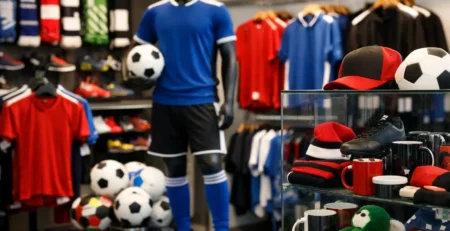
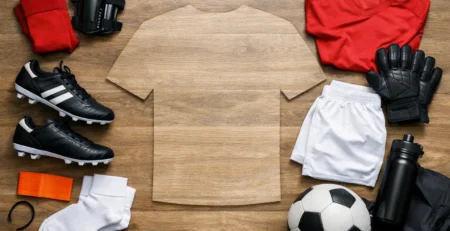
A good school football kit supplier should make life easier for PE staff, heads of sport, school administrators and parents. That starts with range. Schools rarely buy one thing once and leave it there. They need match kits, training wear, rain jackets, base layers, bibs, balls, goalkeeper kit and often extras such as pennants or trophies across the school year.
It also means dealing with different age groups and different types of buyers. Some schools want a centrally managed team order. Others need a mixed approach where the school buys core kit, while parents can top up individual items as needed. That flexibility makes a big difference over time, especially when pupils join mid-season, lose items or move up into older teams.
Consistency matters too. If the first order arrives looking sharp but the same line disappears three months later, schools are left trying to match colours and styles across squads. That can create an untidy look on matchday and a more expensive buying process later on. A supplier that carries recognised teamwear brands and understands repeat ordering is often a safer fit than one focused only on one-off sales.
The real pressure points in school kit buying
Schools are not operating like professional clubs with a full-time kit manager. Most football kit ordering sits with busy staff who are fitting it around teaching, coaching and administration. That means the buying process needs to be straightforward from the outset.
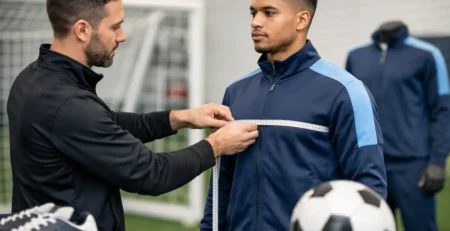
Sizing is one of the biggest pain points. School football teams often include a wide physical range, particularly in mixed year groups or where pupils are between junior and adult sizes. If the supplier cannot offer clear size guidance and dependable stock across those size runs, returns and replacements quickly eat into time and budget.
Customisation is another area where things can either run smoothly or become a headache. Badges, sponsor prints, initials and squad numbers need to be consistent and legible. For schools, there is also a balance to strike. Some want a simple, traditional look with a crest and numbers only. Others want a more modern setup across matchwear, training wear and staff kit. Neither is wrong, but the supplier needs to support the level of customisation the school actually wants rather than pushing unnecessary extras.
Budget is always part of the conversation. A lower headline price may look attractive, but that does not always mean lower overall cost. If the kit wears out quickly, cannot be reordered easily, or requires piecemeal buying from different places, the school may end up paying more over the season. Value comes from durability, repeat availability and being able to source what you need in one place.
Branded teamwear or bespoke kit?
This is one of the most common decisions schools face, and the right answer depends on priorities.
Branded teamwear from established manufacturers often suits schools that want speed, reliability and easy reordering. There is usually a broader size range, a proven standard of quality and a stronger chance of stock continuity. This works particularly well for schools running several teams and needing a joined-up look without making ordering too complicated.
Bespoke kit can make sense where a school wants a unique identity or specific colour combination that standard catalogue ranges do not cover. It can also help if the school wants all teams aligned under one design. The trade-off is that bespoke ordering may involve longer lead times, minimum quantities or less flexibility for quick top-ups.
For many schools, a mixed approach works best. Match kit might be bespoke for a strong school identity, while training wear and outerwear come from recognised teamwear ranges that are easier to reorder. That approach can protect the school image without making every future purchase harder.
Why stock depth matters more than first impressions
A supplier can look impressive on the first browse, but what matters is what happens after the first order. Schools often need to replace individual items during the term. A new pupil joins the squad. A goalkeeper needs a different size. A shirt is damaged in a muddy away fixture. Those are normal situations, not exceptions.
That is why stock depth and repeat access matter so much. A supplier that supports both full squad ordering and small follow-up purchases is far more useful than one geared only towards bulk buying. Schools should think beyond launch day and ask whether the same products will still be available when they need one pair of socks, two training tops or a single replacement short.
This is where a football specialist often has an advantage over a general sports retailer. A specialist supplier tends to understand how football teams operate through a full season. That includes colour matching, goalkeeper requirements, training essentials and the simple fact that one order rarely covers everything for long.
Look for a buying process that suits schools
The best supplier relationship is not just about products. It is about reducing admin.
Schools benefit from a clear ordering system that can handle multiple teams, named items and repeat purchases without forcing staff to start from scratch each time. If the supplier can support dedicated ordering for a school or club-style setup, that can make a real difference. It keeps approved products in one place and helps staff, players and parents buy the right items without confusion.
That model also helps with consistency. Instead of different people buying similar but not matching items from multiple sources, the school can direct everyone towards one central point. That keeps colours, branding and product selection under control. It also cuts down on the back-and-forth that often lands on PE staff.
Football Stuff has built much of its service around this practical need – helping teams and organisations centralise teamwear, equipment and repeat purchases rather than treating every order as a one-off.
Questions worth asking before you order
Before committing to a supplier, schools should look past the brochure and think about how the arrangement will work in October, December and March, not just in pre-season.
Ask how easy it is to top up stock later. Ask whether the same garments are likely to stay available. Check how customisation is handled and whether artwork, numbering and badges are applied consistently. Look closely at size options for both younger pupils and older students. If staff kit, training wear and match kit all need to sit together under one setup, make sure that can be done without turning into separate ordering exercises.
It is also worth considering who will actually be placing orders. If the process only works for one highly organised staff member, it may fall apart when responsibilities change. A dependable system should be simple enough for schools to manage across the year, even when personnel or team needs shift.
The best fit is the one that keeps football moving
There is no single perfect model for every school. A small primary school running one football side will not buy in the same way as a large secondary school with boys’, girls’ and sixth form teams plus training groups. Some need hard-wearing basics at a sensible price. Others want a stronger identity across teams and supporters. It depends on the size of the programme, the budget available and how the school wants to manage purchases.
What does stay constant is the need for a supplier that understands football as an ongoing commitment, not a one-off seasonal spend. Schools need kit that can be reordered, worn hard, washed often and still look right on matchday. They need a process that works for staff under pressure and parents who want simple, correct buying options.
Choose a school football kit supplier that can support the whole season, not just the first fixture. That gives your teams one less thing to worry about and more time to train, play and perform.
Share this post
Author







Leave a Reply