
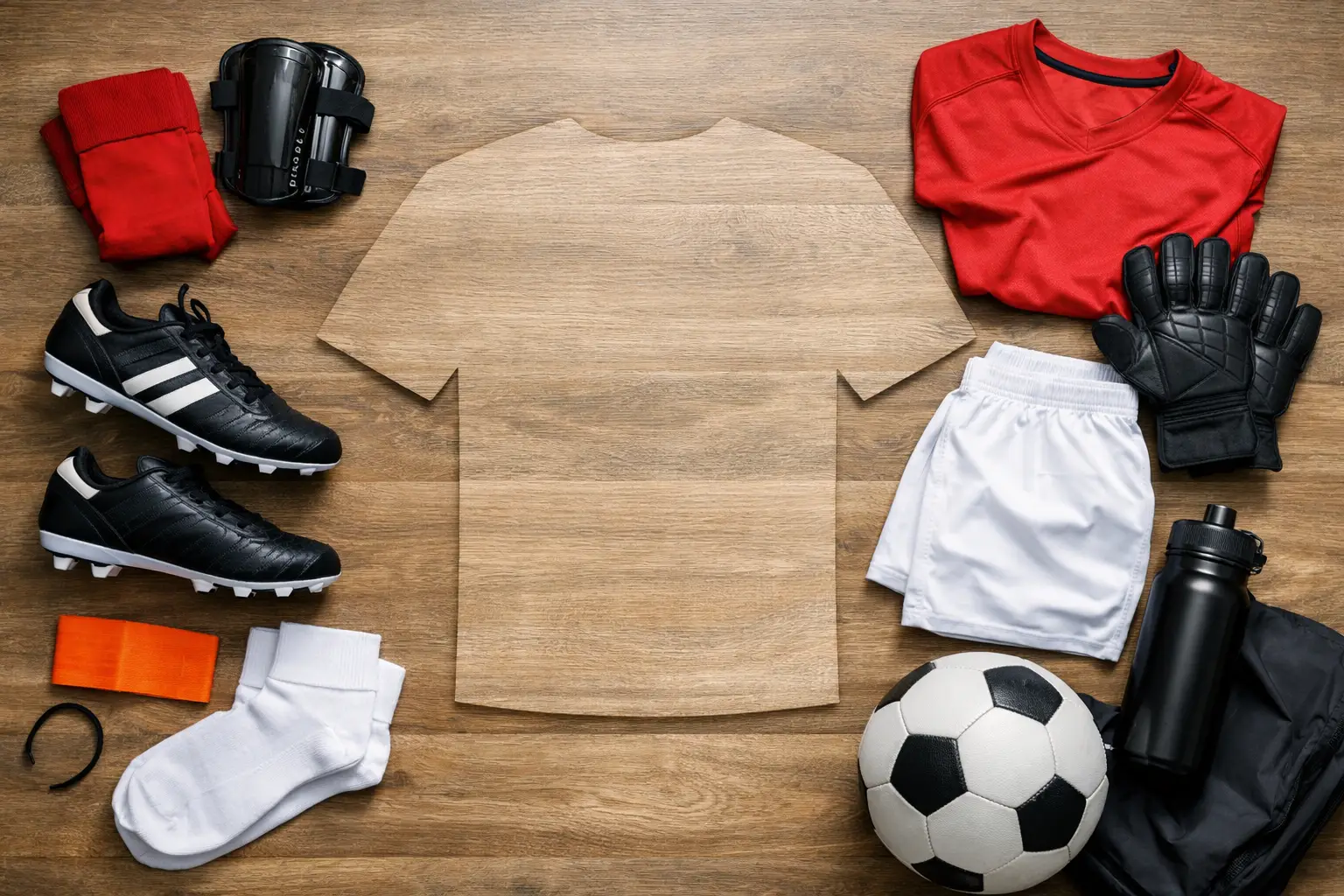
How to Replace Missing Football Kit Items
Saturday morning and one sock has vanished, the away shirt is still missing after last week’s fixture, or a player has turned up having outgrown their shorts. If you need to replace missing football kit items, speed matters – but so does getting the right match for your squad, school or club.
For grassroots teams, kit replacement is rarely a one-off problem. Items go missing in changing rooms, get left in cars, wear out after repeated washing, or simply stop fitting as younger players grow. The challenge is not just buying another shirt or pair of socks. It is making sure the replacement still matches the rest of the team, arrives in time and does not create extra admin for the person already juggling registrations, fixtures and messages from parents.
Why replacing missing football kit items can get complicated
At first glance, replacing a single item sounds simple. In practice, it depends on whether the original kit is still current, whether it was customised, and whether the team uses a standard brand range or a bespoke design. A plain training top is usually easier to match than a matchday shirt with sponsor print, squad number and club badge.
That is why it helps to approach replacement properly rather than buying the nearest colour match and hoping for the best. Small differences stand out on the pitch. A different trim, shade or fabric panel can make one player look out of place, and in some settings that matters more than people expect. Clubs and schools work hard to present themselves well, and consistency is part of that.
Replace missing football kit items without ordering the wrong thing
The fastest way to replace missing football kit items is to identify exactly what has gone missing before placing any order. That means checking the brand, product range, colour, size and any customisation details. If the team has been using a club shop or a central teamwear supplier, that usually makes life much easier because the original items are easier to trace.
Start with the basics. Is it a match shirt, shorts, socks, a goalkeeper item, a training layer or outerwear? Then check whether it is part of the current club stock. A lot of delays happen because someone searches for “red football shorts” instead of the exact team item they actually need.
If the missing piece is customised, be precise. Shirt numbers, initials, sponsor applications and badge placements all need to match the existing kit. Getting 95 per cent of it right is often not enough if the player is lining up next to the rest of the squad.
What to check before reordering
A quick check now saves a return or a mismatch later. Look at the garment label if you still have another matching item from the same set. Confirm the manufacturer and size. If possible, compare the item against a teammate’s kit from the same batch, especially where younger age groups have had updates in sizing or design during the season.
Photos can help, but they are not perfect. Lighting changes colours, and older kit ranges may appear slightly different online. If your club has ordered teamwear over several years, make sure you are not mixing an older version with a newer one that looks similar at first glance.
It is also worth checking whether the item is needed for matches only or for general training use. If it is a training piece, a close current replacement may be practical even if the original line has been discontinued. For match kit, teams usually want a proper like-for-like replacement where possible.
Matchday kit, training wear and goalkeeper kit need different treatment
Not every missing item carries the same urgency. A lost pair of training socks is inconvenient. A missing home shirt on a Friday before a Saturday fixture is a much bigger issue. That affects how you should prioritise the replacement.
Matchday items need the closest possible match in colour, branding and print. Teams, schools and academies generally need the player to fit straight back into the line-up without drawing attention to a different item. Goalkeeper kit can be similar. Keepers often wear distinct colours and cuts, and one substitute top may not work if it clashes with officials, opponents or your own outfield strips.
Training wear is usually more flexible. If an exact line is unavailable, a current equivalent from the same brand may do the job well enough, especially for layers such as track tops, base layers or rain jackets. It depends on whether the club treats training wear as a fixed uniform or a more practical mix of team-approved gear.
When sizes change as well as items go missing
This is common in junior football. Sometimes the shirt has not been lost at all – it has just become too small halfway through the season. In that case, replacing the item means balancing fit against visual consistency.
Different brands cut garments differently, and age-band sizing is not always interchangeable. A player moving from one junior size to the next may also need a different fit in shorts or socks. If there is any doubt, checking the brand’s sizing guidance or comparing against a current item is better than guessing. Ordering too quickly can create a second problem.
For clubs managing several youth squads, this is one of the main reasons centralised kit supply helps. The less time spent chasing exact product details, the easier it is to keep players equipped properly across the season.
What happens if the original football kit is discontinued?
This is where replacement gets trickier. Teamwear ranges change, and manufacturers update styles. If the original item has been discontinued, your options depend on stock availability and how visible the difference will be.
For a current season squad nearing the end of its fixtures, clubs often try to source remaining stock of the outgoing item so the team keeps a consistent look. That is usually the best short-term answer. If no stock remains, a close substitute may be acceptable for training or for lower-visibility items, but less ideal for first-team matchwear.
If the squad is due a full refresh soon, it may make more sense to manage with spare kit temporarily rather than buying one-off replacements that do not fully match. There is a cost trade-off here. A single replacement can solve an immediate need, but if several players need top-ups and the range is fading out, planning the next full order may be the smarter move.
Why club shops and repeat ordering matter
For organised teams, schools and community clubs, replacement is easier when previous kit sits within an established ordering setup. If your club already has named products, approved branding and standard options in place, you cut out a lot of back-and-forth.
That matters not just for convenience but for accuracy. Parents ordering one shirt for a child, a coach replacing a missing warm-up top, and a secretary sorting bulk extras all need the same outcome – the right item, in the right colour, with the right finish. A proper football supply setup helps keep that consistent.
This is one reason club-linked ordering works well for grassroots football. It supports your club, keeps the squad looking right and reduces the risk of buying gear that does not belong to the team range.
Avoid common mistakes when replacing kit
The most common mistake is assuming all black shorts, royal blue socks or green keeper tops are effectively the same. They are not. Fabric texture, logo placement, stripe width and shade all vary between ranges and brands. What looks close in a product image can look obviously different at kick-off.
Another issue is forgetting customisation lead times. A plain item may be available quickly, but if it needs a squad number, initials or sponsor print, build in time for that work to be done properly. Leaving it until the day before a fixture narrows your options.
It is also easy to overlook spares. Teams that repeatedly replace one item at a time often end up paying more in admin and urgency than they would by holding a small reserve of common sizes in socks, shorts and a couple of spare shirts. That will not suit every budget, but for busy clubs it can save headaches across the season.
A practical approach for clubs, schools and parents
If you are ordering for one player, focus on exact identification and lead time. If you are ordering for a team, think slightly bigger. Look at whether this missing item is part of a wider pattern. Are several players short on kit? Are younger age groups moving up sizes? Is the current range still available for top-ups later in the season?
A practical football supplier should be able to support both one-off replacements and ongoing squad needs. That is especially useful for schools and clubs that want branded teamwear, training gear and matchday essentials in one place rather than split across multiple retailers. Football Stuff is built around that kind of repeat ordering, which makes top-ups far more manageable as the season goes on.
Replacing one missing item may feel minor, but for a player it can mean the difference between being ready and being stressed before kick-off. Get the details right, order with enough time and think ahead where you can. A little planning keeps players equipped, squads consistent and your club moving properly from training to matchday.
Share this post
Author




Leave a Reply